


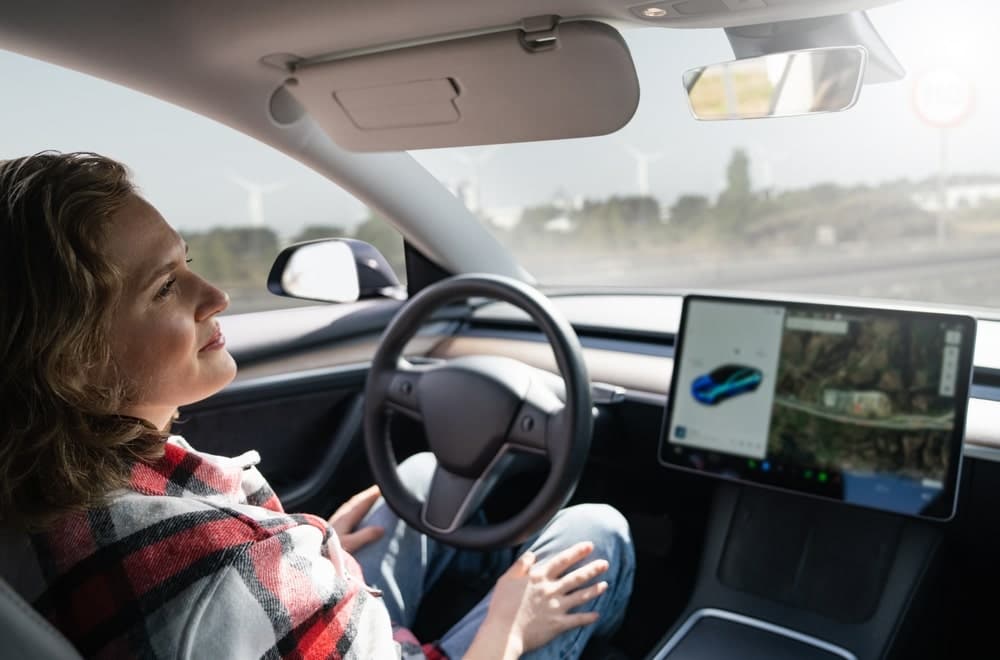
The advent of autonomous vehicles has revolutionized transportation, promising enhanced safety and efficiency. Steve Mehr, co-founder of Sweet James Accident Attorneys, highlights that self-driving cars are often viewed as the next major advance in transportation because of their potential to improve safety and convenience. However, self-driving cars have also introduced complex legal challenges, particularly regarding liability in accidents. This evolving landscape demands a reexamination of traditional liability frameworks to address the unique aspects of autonomous vehicle incidents.
Understanding Traditional Liability in Vehicle Accidents
In conventional vehicle accidents, determining liability typically hinges on human error. The driver who acted negligently or violated traffic laws is usually held responsible. Factors such as distracted driving, speeding or impairment play critical roles in assessing fault. This clear assignment of liability facilitates the legal process and ensures victims receive compensation from the at-fault driver or their insurance provider.
Shifting Dynamics in Autonomous Vehicle Accidents
With self-driving cars, the dynamics of liability shift dramatically. Autonomous vehicles rely on complex systems, including sensors, algorithms and Artificial Intelligence (AI), to navigate roads and make split-second decisions. When an accident occurs, questions arise about whether the fault lies with the manufacturer, the software provider or the vehicle owner.
For instance, a crash resulting from a design flaw, defective hardware or faulty software could point to manufacturer liability. On the other hand, if the crash stems from a coding error or algorithmic failure, the software developer might bear responsibility. Vehicle owners, too, have maintenance responsibilities and neglecting updates or essential repairs could shift liability back to them. In some cases, multiple parties might share responsibility, such as when a human driver overrides the autonomous system’s controls and causes an accident.
Legal Precedents and Challenges
The relatively recent emergence of autonomous vehicles means legal systems worldwide are still grappling with how to handle these cases. High-profile incidents like the Tesla Autopilot accidents and the 2018 Uber self-driving car fatality have highlighted the complexities involved. For example, Tesla’s Autopilot system, which requires drivers to remain attentive, has raised questions about the role of driver supervision in assigning liability.
In the Uber case, an autonomous vehicle struck and killed a pedestrian due to a software limitation, bringing attention to the responsibilities of manufacturers and safety protocols during testing. These cases underscore the urgent need for clear legal frameworks to address the complexities of autonomous vehicle liability.
Furthermore, these incidents reveal the gaps in existing regulations, which often fail to account for the interplay between human oversight and autonomous systems. They also emphasize the importance of transparency in how manufacturers design and test these vehicles. Without clear guidelines, victims of accidents may face prolonged legal battles to determine fault and secure compensation. The integration of autonomous vehicles into public roadways has also raised public concerns about safety, prompting calls for stricter government oversight. As these technologies continue to evolve, developing adaptable legal frameworks will be critical to addressing emerging challenges effectively.
Key Factors Influencing Liability
Determining liability in autonomous vehicle accidents involves analyzing several factors. The level of automation in the vehicle plays a significant role. Fully autonomous vehicles (Level 5) may place greater responsibility on manufacturers, while lower levels (Levels 2-3) still require significant human oversight.
Additionally, autonomous vehicles generate extensive data, including sensor readings, video footage and system logs, which are crucial for reconstructing accidents and determining faults. Compliance with industry standards and government regulations also impacts liability, as does the degree of human intervention. If a driver takes control of the vehicle and causes an accident, their actions might shift liability away from the autonomous system.
Key Factors Influencing Liability
Determining liability in autonomous vehicle accidents involves analyzing several factors. The level of automation in the vehicle plays a significant role. Fully autonomous vehicles (Level 5) may place greater responsibility on manufacturers, while lower levels (Levels 2-3) still require significant human oversight.
Additionally, autonomous vehicles generate extensive data, including sensor readings, video footage and system logs, which are crucial for reconstructing accidents and determining faults. Compliance with industry standards and government regulations also impacts liability, as does the degree of human intervention. If a driver takes control of the vehicle and causes an accident, their actions might shift liability away from the autonomous system.
Ethical and Legal Considerations
The integration of autonomous vehicles raises ethical dilemmas that further complicate liability determinations. Algorithmic decision-making often forces systems to face scenarios where they must choose between two harmful outcomes, posing significant ethical challenges. Transparency in these systems is critical, as black-box algorithms that lack explainability make it difficult to accurately attribute fault.
Additionally, traditional insurance models may need to evolve to accommodate autonomous vehicles, with proposals suggesting manufacturer-based insurance or specialized policies for autonomous technology.
Steve Mehr remarks, “Self-driving cars are often viewed as the next major advance in transportation because of their potential to improve safety and convenience. As incidents and technology glitches with driverless cars become more common, existing liability laws are struggling to keep up.”
Proposed Solutions and Future Directions
Addressing these challenges requires innovative solutions and collaboration among stakeholders. Unified legal frameworks are essential for establishing clear guidelines for liability in autonomous vehicle accidents, reducing ambiguity and streamlining legal processes. Requiring manufacturers to assume greater responsibility for their products’ performance could simplify liability claims and incentivize rigorous testing and continuous improvements. Third-party testing and certification of autonomous systems can ensure they meet safety and reliability standards before deployment.
Additionally, encouraging data-sharing agreements between manufacturers, insurers and regulators can enhance understanding of fault and inform future policy decisions.
The rise of autonomous vehicles marks a transformative era in transportation, but it also challenges existing legal frameworks. Liability in self-driving car accidents differs fundamentally from traditional cases, requiring nuanced approaches that account for technological complexities and ethical considerations.
By fostering collaboration among manufacturers, regulators and legal professionals, society can navigate the gray areas of liability and pave the way for safer, more reliable autonomous technology. Establishing clear standards for data transparency and accountability will be critical to ensuring fair outcomes in liability disputes.
Moreover, ongoing advancements in artificial intelligence and machine learning will continue to shape how liability is assessed and managed. These efforts will not only protect consumers but also promote trust and adoption of autonomous vehicle technology.
