


If you’re like many people, you probably have at least one credit card with a high interest rate, which can make paying off your balance feel like an uphill battle. One strategy that might sound appealing to get ahead of credit card debt is a balance transfer. By transferring your existing high-interest credit card debt to a card with a lower interest rate, you could potentially save money and pay off your debt faster. But before you jump into a balance transfer, there are some important things to consider.
Balance transfers can be a great financial tool, but they’re not a one-size-fits-all solution. Whether you’re dealing with credit card debt or exploring options beyond a balance transfer, it’s crucial to weigh your options and understand how they can impact your overall financial situation. If you’re considering a balance transfer, understanding how they work, their potential costs, and other alternatives (like debt consolidation companies) can help you make the best decision for your finances. Let’s dive into what you need to know.
- How Does a Balance Transfer Work?
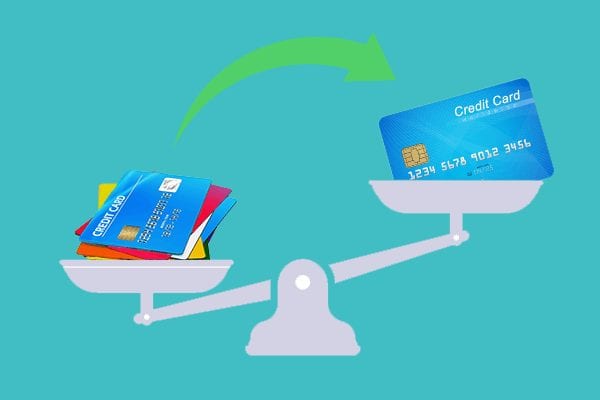
A balance transfer allows you to move the outstanding balance from one or more credit cards to a new credit card, typically one that offers a lower interest rate. Many credit cards offer promotional 0% APR on balance transfers for a set period of time, which could be anywhere from 6 to 18 months. This promotional period allows you to pay down your debt without accumulating interest, which could potentially save you money and help you pay off your debt more quickly.
For example, if you have $5,000 in credit card debt with a 20% APR and transfer it to a card with 0% APR for 12 months, all of your payments during that period will go directly toward reducing the principal balance rather than being eaten up by high interest fees. If you can pay off the balance within the promotional period, you’ll avoid paying any interest on the debt at all.
However, while the offer of a 0% APR is attractive, it’s important to know what happens after the promotional period ends. Once the 0% APR expires, the interest rate could jump up to a much higher standard rate, which can quickly erase your savings.
- The Costs and Fees of a Balance Transfer
While balance transfers can save you money in interest, there are some fees and costs to consider. Most balance transfer credit cards charge a balance transfer fee, typically around 3% to 5% of the amount you transfer. For example, if you’re transferring $5,000, a 3% fee would cost you an additional $150. This fee can add up quickly, especially if you’re transferring a significant amount of debt.
Additionally, keep in mind that some balance transfer cards charge an annual fee or other hidden fees that could negate any savings you might gain from the lower interest rate. Be sure to read the fine print and calculate the total cost of the transfer, including any fees, to determine whether it’s worth it.
Another important factor to consider is whether you’ll be able to pay off the balance within the 0% introductory period. If you don’t pay off your debt before the promotional period ends, you’ll be hit with the regular APR, which could be high. This could make it harder to get out of debt, so it’s important to have a solid repayment plan before committing to a balance transfer.
- What Is the Impact on Your Credit Score?
When you transfer a balance to a new credit card, it can impact your credit score in both positive and negative ways. On the one hand, a balance transfer can lower your credit utilization rate, which is a factor in your credit score. The lower your credit utilization (the ratio of your credit card balances to your credit limits), the better it is for your score.
However, it’s important to be cautious about how many credit cards you apply for and how many balances you transfer. If you open too many new credit cards within a short period of time, your credit score could take a hit from the hard inquiries that occur during the application process. Additionally, if you use the new credit card to make purchases, you could end up with more debt than you started with, which can increase your credit utilization again and hurt your credit score.
When it comes to credit score impact, balance transfers can be beneficial if used responsibly, but they can also create problems if you’re not careful with your spending and credit card usage. It’s important to keep an eye on your credit score and understand how a balance transfer fits into your overall financial strategy.
- Are You Able to Pay Off Your Debt in the Promotional Period?
One of the most important questions to ask yourself before doing a balance transfer is whether you can realistically pay off your debt during the 0% APR promotional period. While it might sound tempting to take advantage of the interest-free period, if you don’t have a clear plan to pay off your balance in time, you could end up paying a lot more than you expect.
For instance, if you transfer $5,000 to a new credit card with 0% APR for 12 months, you would need to pay at least $417 a month to pay off the balance in full before the interest kicks in. If that payment is too high for your budget, you might not be able to pay off the debt within the timeframe, which means you’ll face higher interest charges once the promotional period ends.
Before taking on a balance transfer, be realistic about your monthly payments and how much you can afford to pay toward your debt. If the monthly payments are too high, it may be worth considering other options, such as debt consolidation companies or creating a more gradual plan to pay off your debt.
- Alternatives to a Balance Transfer
While a balance transfer can be a great way to pay off high-interest credit card debt, it’s not the only solution available. Here are a few alternatives to consider:
- Debt Consolidation Loans: Instead of transferring your balance to a new credit card, you could apply for a debt consolidation loan. This is a personal loan that you use to pay off your credit card balances, leaving you with one loan and one payment to manage. Debt consolidation loans often have lower interest rates than credit cards and may be more flexible than balance transfers.
- Debt Management Plan (DMP): A DMP through a credit counseling agency allows you to combine your debts into one monthly payment, often at a reduced interest rate. This can be a good option if you need more time to pay off your debt and want professional help to manage it.
- Negotiating with Creditors: Sometimes creditors are willing to negotiate lower interest rates or settle debt for a reduced amount. If you’re struggling with credit card debt, it might be worth reaching out to your creditors to see if they’re willing to work with you.
- The Bottom Line: Is a Balance Transfer Right for You?
A balance transfer can be an effective tool for managing and paying off credit card debt, but it’s important to fully understand the pros and cons before jumping in. Make sure to evaluate the interest rates, fees, and your ability to pay off the debt within the promotional period. If you’re uncertain whether a balance transfer is the best option for your situation, consider alternatives like debt consolidation companies or other debt management strategies.
Ultimately, the key to successfully managing debt is understanding your options, being realistic about your financial situation, and developing a solid plan to stay on track. With the right strategy, a balance transfer can help you save money and get out of debt faster—just be sure to weigh all your options first.
