


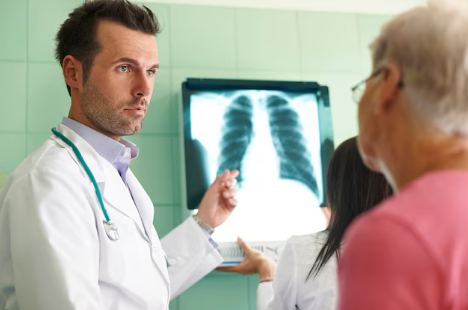
Lung cancer, a major global health concern, is primarily caused by smoking and environmental factors. It remains one of the leading causes of cancer-related deaths worldwide. However, early detection and advances in treatment have significantly improved outcomes, providing hope to many patients. Raising awareness and understanding of lung cancer is essential. It empowers individuals to recognize symptoms early, make informed decisions, and explore treatment options effectively, ultimately improving survival rates and quality of life.
Defining Lung Cancer
General Definition of Lung Cancer
Lung cancer is characterised by the uncontrolled growth of abnormal cells in the lungs. These cells form tumors that can hinder breathing and cause other severe health complications.
How Lung Cancer Develops
The disease typically develops when lung cells mutate due to harmful substances like cigarette smoke, pollutants, or carcinogens. Over time, these mutated cells multiply rapidly, potentially spreading to other body parts (a process known as metastasis).
Types of Lung Cancer
Lung cancer is broadly classified into two main types:
- Non-Small Cell Lung Cancer (NSCLC): The most common type, accounting for about 85% of cases.
- Small Cell Lung Cancer (SCLC): A less common but highly aggressive form, strongly associated with smoking.
The Prevalence of Lung Cancer
Global Statistics
Lung cancer is responsible for millions of deaths annually. Its high prevalence is largely driven by smoking, exposure to air pollution, and other environmental and occupational hazards.
Contributing Factors
- Smoking: The primary risk factor, linked to approximately 80–90% of cases.
- Environmental Pollutants: Exposure to radon gas, asbestos, secondhand smoke, and industrial chemicals increases risk.
- Genetics: A family history of lung cancer may predispose individuals to the disease.
- Lifestyle Choices: Poor diet, sedentary behaviour, and lack of preventive healthcare further heighten risks.
Symptoms of Lung Cancer
Early Warning Signs
Detecting lung cancer early can save lives. Common early symptoms include:
- Persistent cough that doesn’t resolve
- Unexplained weight loss
- Hoarseness
- Shortness of breath
- Chest discomfort or pain
Advanced Symptoms
As the disease progresses, patients may experience:
- Coughing up blood (hemoptysis)
- Severe chest pain
- Fatigue and weakness
- Bone pain
- Swelling in the neck or face
Importance of Early Detection

Timely diagnosis significantly increases the chances of successful treatment. It enables less invasive therapies and improves the overall prognosis.
Diagnosis of Lung Cancer
Diagnostic Tests
Doctors rely on several tools to diagnose lung cancer:
- Imaging Tests: X-rays, CT scans, and PET scans to detect abnormalities.
- Biopsy: A tissue sample analysed to confirm cancer.
- Molecular Testing: Identifying genetic mutations to determine the most effective treatments.
Stages of Lung Cancer
The disease progresses through four stages:
- Stage I: Localised cancer confined to the lungs.
- Stage II: Spread to nearby lymph nodes.
- Stage III: Extensive spread within the chest.
- Stage IV: Metastasis to other organs.
Role of Biopsy
A biopsy plays a vital role in confirming the presence of cancerous cells and determining the specific type and stage, which guides treatment planning.
Treatment Options for Lung Cancer
Factors Influencing Treatment
Several factors shape treatment strategies:
- The type and stage of cancer
- Patient’s overall health and age
- Genetic mutations in the cancer cells
Standard Treatments
- Surgery: Removing localised tumors.
- Radiation Therapy: Targeting and destroying cancer cells.
- Chemotherapy: Using drugs to kill or inhibit cancer cell growth.
- Targeted Therapy: Addressing specific genetic mutations.
- Immunotherapy: Enhancing the immune system to fight cancer.
Experimental Treatments
Clinical trials offer hope through innovative therapies. Participating in trials may provide access to cutting-edge treatments not yet widely available.
The Recovery Process
What to Expect After Treatment
Recovery varies for each patient but often includes managing side effects like fatigue or breathing difficulties and attending regular follow-ups to monitor health.
Rehabilitation and Follow-Up Care
Rehabilitation focuses on restoring physical strength and emotional well-being. Regular follow-ups ensure early detection of recurrence or management of long-term effects.
Adjusting to Life After Treatment
Life after treatment requires adapting to changes in lung function and emotional health. Support groups, counseling, and lifestyle changes can help patients regain a sense of normalcy.
Coping with Fear of Recurrence
Many survivors fear cancer returning. Coping strategies include mindfulness, open communication with healthcare providers, and staying proactive about health.
Prevention and Risk Reduction
Lifestyle Changes
Adopting healthier habits can reduce the risk of lung cancer:
- Quit smoking and avoid secondhand smoke.
- Limit exposure to environmental pollutants like radon and asbestos.
- Follow a nutritious diet rich in fruits and vegetables.
- Engage in regular physical activity.
Screening and Early Detection
Routine screenings, especially for high-risk individuals, can detect cancer in its early stages, significantly improving treatment outcomes.
Conclusion
Understanding Lung Cancer
Awareness and education are powerful tools in combating lung cancer. Early detection, effective treatments, and preventive measures can save lives and improve public health.
Motivational Note
To those battling lung cancer and survivors: your courage and resilience inspire us all. Each step forward reflects incredible strength. Together, let’s continue to face challenges with hope and determination.
