


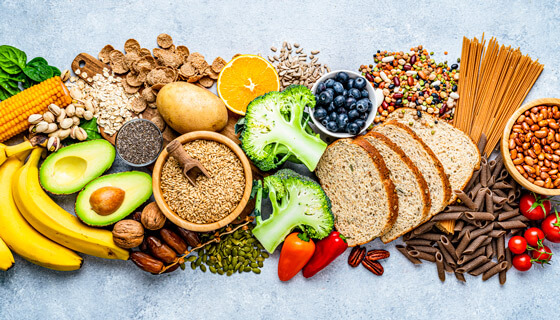
The importance of maintaining a healthier gut cannot be overstated. It plays a crucial role in overall health and wellness.
Our digestive system is responsible for breaking down food, absorbing nutrients, and eliminating waste. When our digestion is functioning optimally, we feel energetic, mentally sharp, and generally well. However, many people struggle with digestive issues such as bloating, gas, and irregular bowel movements.
Thankfully, there are effective digestive products that can help support and improve your digestive health while promoting comfort and balance in your body. Keep on reading to learn more about them.
Understanding Digestive Health
To appreciate the role effective digestive products play, it’s essential to understand what digestive health really means. A healthier gut is characterized by a harmonious balance of gut bacteria, efficient food breakdown, and regular bowel movements. Disruptions in these processes can lead to gastrointestinal distress.
According to the International Foundation for Gastrointestinal Disorders, around 60 to 70 million people in the United States are affected by gastrointestinal conditions. These issues can range from common indigestion to more serious conditions such as irritable bowel syndrome (IBS). Addressing and improving digestive health can not only alleviate discomfort but also contribute to better emotional and physical well-being.
Probiotics: The Good Bacteria
Probiotics are good bacteria that help the stomach work well. They can improve digestion and reduce stomach problems. Eating foods or supplements with probiotics can help keep the gut healthy.
Studies show that probiotics can help with issues like bloating, diarrhea, and constipation. They do this by fixing the balance of bacteria in the gut. Stress, poor eating habits, and antibiotics can upset this balance, but probiotics help bring it back.
Choosing the Right Probiotic
Not all probiotics work the same way. Different types help with different stomach problems. For example, Lactobacillus rhamnosus GG can help with diarrhea, while Bifidobacterium bifidum may be good for IBS.
Talking to a doctor can help you pick the right probiotic for your needs. The right choice can make digestion easier and improve overall health.
Digestive Enzymes: Breaking It Down
Another key player in supporting digestive health is digestive enzymes. These are proteins that facilitate the breakdown of food into smaller, more absorbable molecules. When the body fails to produce enough digestive enzymes, it leads to symptoms such as bloating, gas, and nutrient deficiencies.
Studies have indicated that taking digestive enzyme supplements can significantly improve digestion and absorption, especially in individuals with conditions like pancreatic insufficiency or lactose intolerance. Enzymes such as lipase, amylase, and protease target fats, carbohydrates, and proteins respectively, enhancing the overall digestive process.
When to Consider Digestive Enzymes
If you frequently experience bloating or discomfort after meals, it may be worth trying digestive enzyme supplements. These products can support a healthier gut by easing the burden on the digestive system, allowing it to work more efficiently. Additionally, incorporating foods rich in natural enzymes, like pineapple and papaya, can also enhance digestion.
Fiber Supplements: Keeping Things Regular
Incorporating adequate fiber into your diet is crucial for maintaining a healthier gut. Fiber helps regulate bowel movements and can prevent conditions such as constipation and diverticulosis. However, many people struggle to get enough fiber from food alone. This is where fiber supplements can play a significant role.
According to the American Dietetic Association, adult women should aim for 25 grams, and men should target 38 grams of fiber each day. Fiber supplements can help bridge this gap, ensuring your daily intake meets recommended levels.
Types of Fiber
Fiber is important for digestion and overall health. There are different types of fiber, each with unique benefits.
Soluble fiber dissolves in water and helps control blood sugar levels. It can also lower bad cholesterol, making it good for heart health. Foods like oats, beans, and apples are rich in soluble fiber.
Insoluble fiber does not dissolve in water. It adds bulk to the stool, helping food move through the digestive system. Whole grains, nuts, and vegetables are good sources of insoluble fiber.
Prebiotic fiber feeds the good bacteria in the gut. A healthy gut can improve digestion and strengthen the immune system. Foods like bananas, onions, and garlic contain prebiotic fiber.
Eating a mix of these fibers can help keep digestion smooth. It can also support overall well-being.
Herbal Remedies: Nature’s Support for Digestion
Herbal remedies have been used for centuries to promote digestive health. Herbs like ginger, peppermint, and fennel can help soothe an upset stomach and support digestive function. For example, studies have shown that ginger can reduce nausea and upset stomach symptoms.
In addition to teas, herbal extracts are available in supplement form. Many digestive health products combine these beneficial herbs with probiotics, digestive enzymes, and other ingredients to enhance their effectiveness. Finding a reliable source to shop for digestive products can offer a variety of effective options tailored to your needs.
Staying Hydrated: A Simple Yet Effective Strategy
Hydration is often overlooked but is critical for digestive health. Water aids in the breakdown of food, keeps the digestive tract lubricated, and helps dissolve nutrients so they can be absorbed. Dehydration can lead to constipation and discomfort.
The National Academies of Sciences,
Engineering, and Medicine recommends that men consume around 3.7 liters (about 13 cups) of total fluids per day, while women should aim for approximately 2.7 liters (about 9 cups). Including water-rich foods like fruits and vegetables can also contribute to your hydration goals.
Putting It All Together for a Healthier Gut
Combining various strategies can lead to the best results when supporting digestive health. Incorporating probiotics, digestive enzymes, fiber supplements, herbal remedies, and adequate hydration can work harmoniously to promote a healthier gut.
Listening to your body and pinpointing what works best for you is crucial. If you continue to experience digestive issues, it’s essential to consult with a healthcare professional for personalized guidance.
Your Path to Digestive Wellness
Good digestion helps the body stay strong and healthy. Using the right products can make digestion easier. Small changes can help the stomach feel better every day.
Probiotics can help bring back good bacteria in the gut. Digestive enzymes can make it easier to break down food. Choosing the right products can help with bloating and discomfort.
Taking care of digestive health helps the whole body. A healthy gut can improve energy and well-being. Start making simple changes today!
For more related topics, check out the rest of our blog!
