


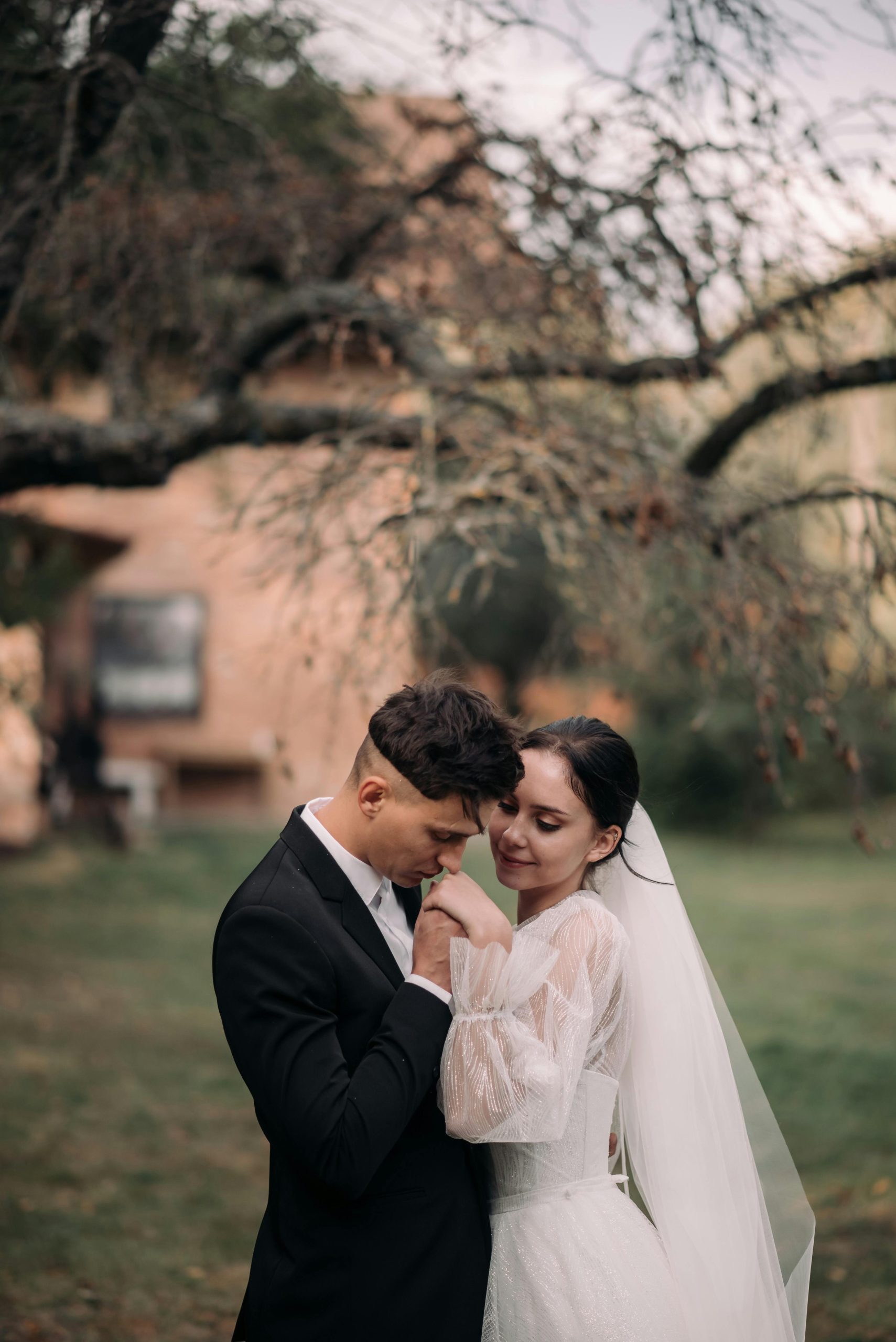
Crafting a wedding photobook seems like a simple task, right? Snap some pictures, pick a few, and paste them onto pages.
But what if you’re actually stumbling into traps that could blemish your collection of cherished memories? You might be making choices that don’t do justice to your special day.
This article highlights common pitfalls that can mar your wedding photobook journey. The choices you make can make or break your keepsake.
It’s all about moving beyond just placing pretty photos on pages. How do you ensure that each photo connects, tells a story, and truly reflects the emotions of your wedding day?
1) Skipping a meaningful cover photo that sets the tone
Picture this: the cover of your wedding photo book is the opening scene. It can whisper promises or shout stories.
It sets the mood, like the first notes of a song. If you just slap on any old photo without a second thought, you’re missing a chance to hook your viewer from the get-go.
You don’t want a cover that merely blends with the scenery. You want it to announce the magic that lies within, to give a glimpse into the love story that unfolds across its pages.
Maybe it’s that stolen kiss under a sea of stars or the laughter shared at the altar. Choosing a cover photo isn’t just a task—it’s an art.
It should reflect the heart of your day, the vibe, the emotions. Think about the light, the colors, the emotions captured.
Is it a dramatic black and white shot, or a vibrant splash of confetti? These choices set expectations and prepare everyone for the journey through your wedding day.
2) Overloading pages with too many pictures, causing visual chaos
Picture this: You flip through your wedding photobook, expecting magic. Instead, you’re met with a cluttered mess.
So many images crammed into one page, your eyes don’t know where to settle. Ever been there?
It’s like jamming too many guests at a small table—no room to breathe. Why do we do it?
Perhaps the fear of leaving out a memory, thinking each picture is precious. But here’s the catch: Less is often more.
Space allows each moment to shine, making each photo a jewel in your visual treasure chest. Crowded pages can overwhelm, leaving viewers feeling lost in the chaos.
You might ask, “How do I decide what stays?” Think of your photobook as a story.
Highlight the chapters that truly sparkle. Your first dance? Yes.
But those blurry reception shots of Uncle Bob on the dance floor? Maybe not.
Treat your layout with care. Each image deserves the spotlight, not a seat in the overcrowded back row.
Select images that offer different perspectives—a close-up, a wide shot, a candid moment. Go for diversity, not quantity.
Your book becomes a curated experience, not a cluttered closet of pictures.
3) Neglecting to Include Dates and Captions to Tell Your Story
Imagine flipping through your wedding photobook and it feels like something’s missing, right? It might be those small, yet crucial details like dates and captions.
They breathe life into your photos, transforming them from mere snapshots to a vibrant narrative of your great day. Without them, you risk losing that essence, the memory just fades away.
Think of dates as the backbone of your story. They help you trace the timeline of events, from that first stunning entrance to the fun-filled reception.
You wouldn’t want to look at a photo from a few years ago and struggle to place when it was taken, would you? Dates offer clarity and context, ensuring your memories stay crystal clear.
And captions? They add flavor, filling in the gaps with anecdotes or inside jokes.
Whether it’s a funny incident captured candidly or a heartfelt moment, captions bring out emotions and personal connections. They’re like the commentary that wraps around each image, whispering stories that might otherwise go untold.
4) Ignoring photo quality and using blurry or pixelated images
Picture this: you’ve just gathered all your wedding photographs. You’re excited to turn them into a beautiful photobook.
You want every detail captured perfectly. Then you notice something—a few images are blurry.
How did this happen? Maybe the camera didn’t focus quickly enough, or perhaps it was low light.
Regardless, blurry images can really spoil the vibe. Quality matters big time.
Your wedding day comes once in a lifetime and your photobook should reflect that. Blurry or pixelated images can take away from the magic of this special day.
Ask yourself—do you want your guests squinting at a fuzzy image when they browse through your photobook? You don’t want your cherished memories to look like they’ve been run through a pixelator.
Making sure your images are crisp and vivid is crucial. To avoid this mishap, edit carefully.
Use photo-editing software to fix minor blurring, or consult a professional if needed. It’s easier to prevent these issues by ensuring that your photographer captures high-quality shots from the start.
5) Failing to arrange photos chronologically, losing the flow of your day
Imagine flipping through your wedding photobook, eager to relive that special day, only to be hopscotching through time. First you’re at the cake cutting, then suddenly you’re back to getting ready.
Confusing, right? Arranging photos in chronological order helps you revisit the day as it unfolded, keeping the magic intact.
Chronological order offers a seamless narrative. It lets you relive moments just the way they happened—from the jitters of preparation to the joy of the first dance.
It’s like pressing “play” on the best movie of your life. Why does this sequence matter so much?
Because a disjointed photobook can leave you puzzled, scrambling to piece together memories. It’s not just about photos; it’s about storytelling.
Each picture is a sentence in the story of your day. Keep them in order and that story flows like a good conversation between old friends—smooth and engaging.
6) Using inconsistent fonts and colors that distract rather than complement
When it’s time to pull together your wedding photobook, you’ll face choices in fonts and colors. Are you ready?
Imagine opening a page where the colors scream rather than sing in harmony. That’s what happens with a mismatched palette that doesn’t flow.
Fonts aren’t any less tricky. A swirl of curvy fonts next to bold block letters can make a page feel more like a chaotic art exhibit than a romantic journey.
Color schemes should be gentle companions to your photos, not competitors. Pairing soft, pastel shades with delicate images captures emotions tenderly.
Consistent fonts and colors are like a soothing rhythm in a song. They help tell your story without interruptions.
In crafting your photobook, aim for fonts and colors that unite, not fight. Your love story deserves no less.
7) Forgetting to leave some white space for the eyes to breathe
Picture this: You open a wedding photobook, eagerly flipping through the pages, and what’s the first thing that hits you? Chaos.
Photos crammed into every nook and cranny like sardines, with no room to breathe. It’s overwhelming, right?
White space, or negative space, is like the unsung hero of design. It gives your eyes a place to rest, creating a sense of balance and harmony.
Imagine a tranquil, open field amidst a bustling city—your eyes need that kind of calm in a photobook too. Neglecting white space can make your beautiful memories feel cluttered and less impactful.
Each photo should stand out, capturing the essence of those special moments. Think of it as giving each image the spotlight it deserves rather than blending them into a crowded backdrop.
8) Not proofreading captions and titles, letting typos sneak in
You’ve spent hours selecting the perfect pictures for your wedding photobook. Each photo is a memory frozen in time, a story in itself.
But all that effort can fall flat if you gloss over the captions and titles. Typos in these tiny text blocks can stand out like a sore thumb.
Imagine flipping through your photobook, smiling at the happy moments, and then bam! A glaring typo steals your attention.
It might sound trivial, but those small errors can cast a shadow over the whole experience. They can transform an elegant photobook into something less polished, less professional.
How do typos manage to creep in, you ask? It’s often a case of haste or overfamiliarity with the text.
You might skip that crucial final read-through. That’s where proofreading, or having a fresh pair of eyes take a look, can make the difference.
Those few extra minutes of scrutiny can maintain the quality and integrity of your cherished keepsake.
9) Rushing through layout design instead of planning thoughtful spreads
Picture this: you’re trying to tell the story of your wedding day, each moment captured in stunning photos. Yet, the magic falls flat if pages are haphazardly thrown together.
All too often, we rush through the layout process. It’s tempting to just slap your favorite pictures down and call it a day.
Resist the urge. Think of your photobook as a narrative, where each page flip unveils another chapter in your tale.
Thoughtful spreads can make your photos sing. They have their own rhythm, a dialogue between images that speaks to the viewer.
Explore different themes or associations in your images. Try pairing candid shots with formal poses to create contrast.
Play with symmetry or asymmetry in spacing. Cohesiveness in layout design amplifies visual storytelling.
Patience is your ally. Take your time to envision how each page could look before committing.
It’s like assembling a puzzle where each piece has its perfect place. Give yourself the chance to reflect, revise, and refine.
10) Over-relying on automatic templates without personal tweaks
It’s tempting to take the easy route. Templates give you a quick and neat structure.
Click, drag, done. But does it feel like your special day?
Templates don’t know your story. They can’t feel the laughter, tears, and nuances of your once-in-a-lifetime wedding.
When you don’t add personal touches, you risk a lifeless collection. A bit of individual flair goes a long way.
Change that layout. Adjust the font.
Your love story deserves it. Mix up the order.
Scatter those candid shots that capture unguarded moments. Personal tweaks transform a generic book into something uniquely yours.
What color reminds you of your wedding theme? Imagine guests flipping through—what do you want them to feel?
There’s a world outside those pre-set pages. Use it.
Templates provide a foundation, but their job isn’t dictating your story. They offer the beginning, but the heart of the story lies in your edits.
So, go on, paint your day as vividly as you lived it. Embrace the personal.
Start Your Journey to a Flawless Wedding Photobook Now
Creating a wedding photobook is a special way to preserve and relive your most cherished memories, but it’s easy to make mistakes along the way. By being mindful of common pitfalls—like poor photo selection, lack of organization, or low-quality printing—you can ensure your photobook becomes a treasured keepsake. Take your time, plan carefully, and use the tips shared in this article to guide your process. With a thoughtful approach, your wedding photobook will not only capture the magic of your big day but also become a lasting reminder of your love story. Start crafting your perfect photobook today!
