


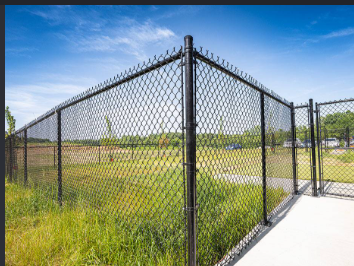
A fence can make a Cincinnati yard feel more private, safer for pets, and easier to enjoy through every season. However, a successful project begins well before the first post is set. Homeowners considering residential fence installation around Cincinnati should start with a clear plan for the property, the intended use, and the practical details that affect installation.
Whether the yard sits on a compact city lot, a sloped hillside, or a larger suburban parcel, the best fence design is one that works with the site instead of fighting it. Careful planning can reduce avoidable delays, protect existing landscaping, and make estimates easier to compare.
Define The Main Purpose Of The Fence
Start with the question, “What should this fence do?” A solid privacy fence may suit a rear patio, while an open aluminum or chain link fence may work better where visibility matters. Some properties benefit from different styles on different sides of the yard.
- Create privacy around a patio, deck, or pool area.
- Keep dogs or children within a defined space.
- Mark the usable yard without blocking views.
- Add curb appeal along a front or side yard.
- Create a clearer boundary between neighboring outdoor spaces.
Review The Property Before Choosing A Design
Walk the proposed fence line and make a simple sketch with approximate measurements. Include driveways, sidewalks, decks, sheds, retaining walls, mature trees, garden beds, utility equipment, and downspout outlets. This exercise can reveal where a straight run is unrealistic or where a gate will be needed.
Property boundaries deserve special attention. A fence should not be placed based solely on an old fence line, a row of shrubs, or an informal understanding with a neighbor. If the line is unclear, review available property records and consider whether a surveyor is needed before construction.
Check Cincinnati Rules And Approval Needs
Fence requirements can vary by location, height, yard position, zoning district, and historic status. The City of Cincinnati provides fence approval forms and requirements that homeowners can review before ordering materials or scheduling work. In general, a six-foot-or-less residential fence may require zoning approval, while taller fences can require additional review.
Front yards and corner lots often have stricter height and visibility considerations than interior side or rear yards. Confirm the property jurisdiction as well, since a Cincinnati mailing address does not always mean the property is governed by City of Cincinnati rules.
Compare Common Residential Fence Materials
Material selection affects the initial budget, maintenance routine, appearance, and level of privacy. Compare the full ownership picture rather than focusing only on the first installation quote.
- Wood: Offers a traditional look and flexible design options, but usually needs periodic staining, sealing, painting, or board repairs.
- Vinyl: Provides clean, solid privacy panels with limited routine finishing work, though damaged sections may need replacement.
- Aluminum: Works well for decorative boundaries and yards with changing grades, but does not provide solid privacy.
- Chain link: Can be practical for pet containment and visibility, although privacy may require separate screening or slats.
Plan For Soil, Slopes, Weather, And Drainage
Cincinnati-area yards can include clay soil, wet low spots, tree roots, and noticeable elevation changes. These conditions affect post placement and the fence layout. A sloped yard may call for a stepped design or panels that follow the grade, depending on the material and desired appearance.
Do not use a fence to block a natural drainage route. Watch where runoff moves after rain, especially near downspouts, retaining walls, and neighboring properties. A fence that looks level and attractive on installation day can develop problems if water regularly collects around the posts or washes away soil.
Mark Utilities And Prepare For Safe Digging
Every post hole involves excavation, including holes dug with hand tools. Before digging begins, the person performing the excavation should follow the notification steps outlined for Ohio homeowners planning to dig. OHIO811 states that notification is required before excavation and should generally be made at least two working days in advance, excluding the day of notice, weekends, and legal holidays.
- Submit the dig notification before work starts.
- Wait for participating utilities to mark their lines.
- Keep paint and flags visible during the project.
- Ask about private lines, such as sprinkler systems, invisible pet fences, or private electric runs.
Design Gates, Posts, And Access Points
Plan gates before finalizing the fence line. Measure the widest item that may need to enter the yard, such as a lawn mower, snow blower, trailer, or delivery cart. A walking gate near the most-used entrance is convenient, while a wider double gate may be useful for equipment access.
Also consider swing direction, latch placement, nearby steps, and landscaping clearance. Gates should open and latch smoothly without dragging on uneven ground.
Build A Realistic Project Budget
A useful fence budget separates the major cost categories rather than relying on a single broad price estimate. Include materials, labor, gates and hardware, removal of an existing fence, site preparation, approvals, boundary work, and landscaping repairs. Slopes, corners, difficult access, and rocky or root-filled digging can also affect the final scope.
Choose An Installer And Prepare The Yard
Ask each installer for a written scope that identifies the material, height, layout, gate locations, removal work, cleanup expectations, and responsibility for approvals or utility notification. Ask how the crew will handle slopes, drainage concerns, changes requested during installation, and unexpected site conditions.
Before the crew arrives, move furniture, toys, hoses, planters, and other items away from the fence line. Mark sprinkler heads and privately installed wires, trimmed plants that block access, and kept pets safely indoors.
Inspect The Completed Fence
Walk the entire fence line when the work is complete. Check that posts appear straight and stable, boards or panels are evenly installed, gates open and latch correctly, and the finished layout matches the agreed plan. Confirm that drainage paths remain open and that leftover debris, concrete, or removed materials are handled as expected.
Final Planning Checklist
- Choose the fence’s primary purpose.
- Measure and sketch the proposed layout.
- Review property boundaries and local rules.
- Select materials and gate locations.
- Plan around slopes, drainage, trees, and utilities.
- Submit the OHIO811 notification before digging.
- Review the written installation agreement.
- Inspect the completed fence from end to end.
Thoughtful planning helps Cincinnati homeowners create a fence that fits the yard, meets practical needs, and avoids common installation setbacks. When goals, boundaries, approvals, utilities, access, and drainage are addressed early, the finished project is far more likely to serve the property well for years.
