


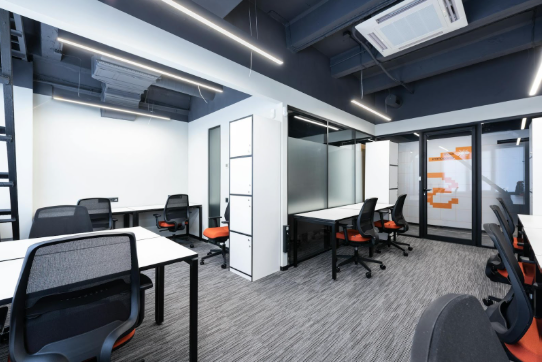
When your business starts to grow, your workspace often feels smaller by the day. Desks get crowded, storage runs out, and productivity can take a hit. But expanding your workspace doesn’t always mean moving to a new building or spending a fortune on renovations. Smart businesses today are finding creative ways to make the most of every square foot. Whether it’s rethinking how space is used or adding modular solutions, the goal is the same: to create a setup that supports growth, improves efficiency, and stays cost-effective.
Here are some effective strategies that can help ensure your small business feels bigger, better, and more professional without breaking your budget.
Evaluate What You Already Have
Before you think about expanding, take a careful look at how your current space is being used. Many businesses underestimate how much room they already have simply because it’s not organized well. Walk through your office or workspace and note what areas feel crowded and which ones are underused. Sometimes, a layout change or removing unnecessary furniture can open up more space than you expect. Reorganizing storage, updating shelving, or creating clear zones for specific tasks can make your workspace more functional without adding square footage.
Use Shipping Containers for Storage
When a business grows, storage often becomes the first challenge. Shipping containers offer an affordable and flexible solution. They’re durable, secure, and weather-resistant, making them perfect for storing equipment, extra stock, or seasonal materials.
But shipping containers don’t always have to be used for storage. In fact, they can serve multiple purposes over time. Once your business has enough indoor space, the same containers can be transformed into office extensions, workshops, or even small retail setups. This is why it is much wiser to buy shipping containers than to rent them.
Because they’re modular and easy to modify, they provide lasting value and adaptability that rented storage units can’t match. Purchasing containers gives you long-term control over your space and a smart way to prepare for future growth.
Go Vertical with Shelving and Storage
When floor space runs out, look upward. Walls often go unused, yet they hold plenty of potential. Installing tall shelving units, hanging racks, or ceiling-mounted storage helps you make the most of every inch. This approach works especially well for businesses that deal with tools, supplies, or boxed inventory.
Vertical storage also keeps items visible and organized, reducing time spent searching for what you need. Choose adjustable shelving systems so you can change the setup as your storage needs evolve. By thinking vertically, you expand your usable space without changing your physical footprint.
Create Multi-Functional Areas
In a small business environment, flexibility matters. Designing areas that serve multiple purposes helps you get more out of limited square footage. A meeting area can double as a lounge or lunch space. A breakroom can also function as a brainstorming zone with a few added whiteboards or screens. Choosing furniture that’s easy to move or fold away makes transitions smooth and keeps your space adaptable.
Even your reception or waiting area can be more useful. Adding a small display shelf or information counter can turn it into a promotional space. The goal is to ensure every area of your business contributes to your operations instead of sitting idle.
Embrace Remote and Hybrid Work
Another way to manage limited workspace is by rethinking how often employees need to be on-site. Remote and hybrid work setups can greatly reduce the demand for desks and dedicated areas. Allowing team members to work from home part-time frees up space and keeps the office less crowded.
This approach also supports productivity. When employees have flexibility, they tend to focus better and use in-office time more efficiently. You can rotate workstations, introduce hot-desking, or designate shared spaces instead of fixed ones.
Optimize Lighting and Layout
Lighting plays a major role in how a workspace feels and functions. A bright, well-lit area promotes focus, reduces strain, and helps employees feel more energized throughout the day. If your space relies heavily on artificial light, consider introducing more natural light whenever possible. Large windows, glass partitions, and lighter wall colors can reflect light and make the area appear more open.
The layout also has a direct impact on productivity. Cluttered or closed-off spaces can slow communication and make daily operations feel more complicated than they should be. Arrange workstations in a way that supports collaboration while still allowing for privacy where it’s needed. Leave open paths for movement and make sure key equipment or supplies are within easy reach. A well-planned layout doesn’t just improve efficiency—it can also make your workspace feel larger and more comfortable.
Invest in Modular Furniture
Furniture should never limit your flexibility. Modular furniture gives you the freedom to adjust your workspace as your team or operations grow. Desks that connect or separate easily, movable partitions, and stackable chairs all help create a dynamic environment that can change based on your needs.
Modular designs also make it easier to host events, reorganize teams, or adapt to seasonal changes in workload. Unlike fixed furniture, these pieces don’t tie you down to one layout. They also help you make better use of your budget because you won’t need to buy new items every time your business evolves. This type of flexibility ensures your workspace grows along with your business goals.
Partner with Local Contractors and Designers
When you reach the point where a physical expansion becomes necessary, working with professionals can make a big difference. Local contractors and designers understand the specific building codes, materials, and design trends in your area. They can help you create efficient layouts and find affordable ways to add usable space without overspending.
Contractors experienced with small business projects know how to maximize every inch while keeping the design functional and attractive. They can also suggest creative ideas—like partial builds, modular offices, or custom shelving—that you might not have considered. A good partnership can save both time and money, ensuring your expansion feels seamless rather than stressful.
Expanding your workspace doesn’t have to be costly or complicated. The smartest growth strategies begin by working with what you already have. A well-designed workspace has a direct impact on morale, creativity, and efficiency. When you focus on building a space that adapts, encourages collaboration, and prepares for what’s next, you create more than just an office—you build a foundation for sustainable success. Expansion, when done thoughtfully, becomes less about adding space and more about shaping a place where your business can truly thrive.
