


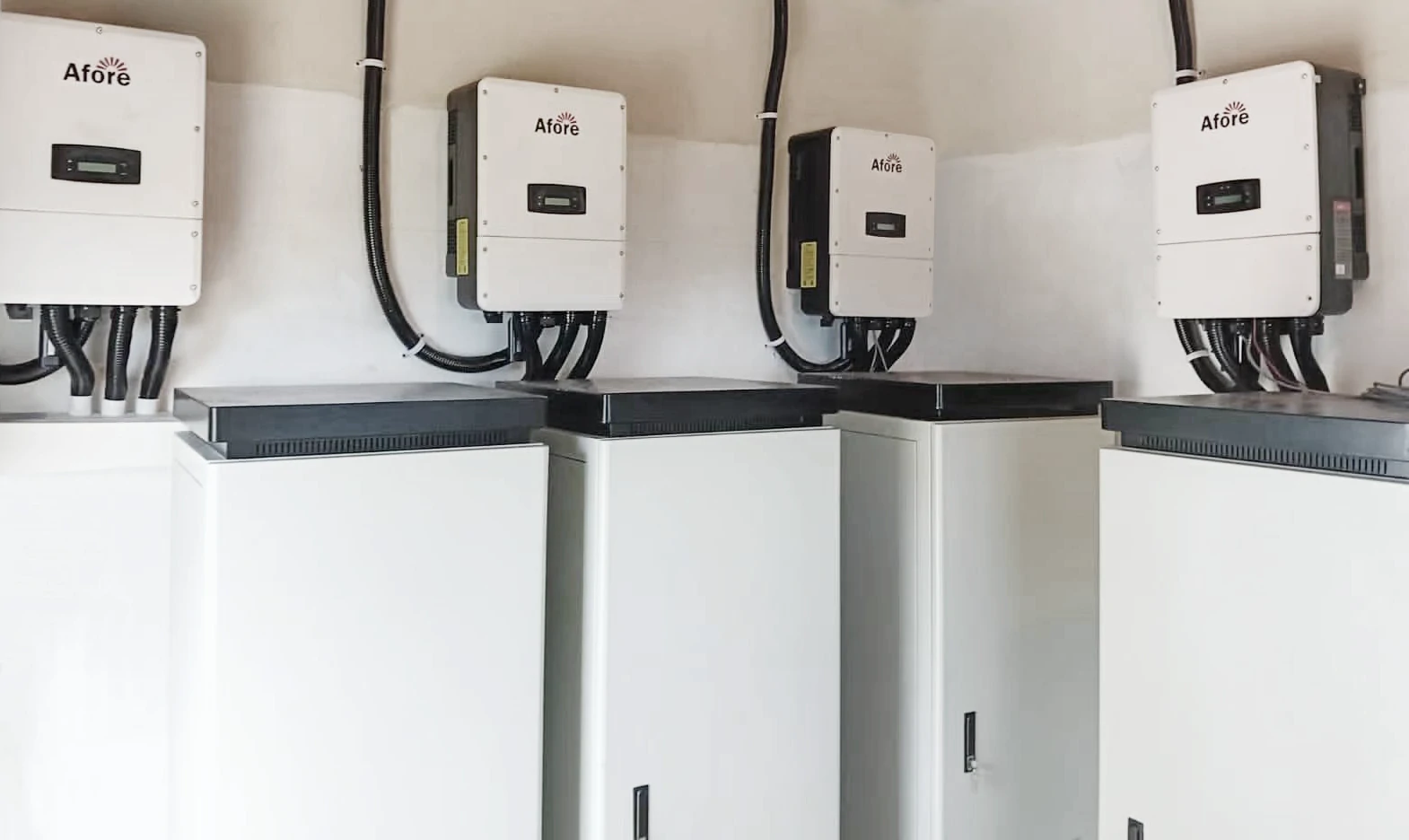
Inverter prices have been climbing, sometimes hitting ₹70–80k. This often makes power backup solutions feel like a luxury. In India, where sudden power cuts are basically a hobby, this hits hard. Many feel stuck, either sweat through the scorching heat or shell out a fortune. But what if we tell you there are a lot of inverters that you can pick from without frying your budget? Yes, but there are a lot of bad apples there as well, which is why this guide is all about helping you choose the right top-quality inverter within your budget range.
Understand Your Power Requirements
First, you need to understand how much power you really need. Begin by making a list of all the appliances you need. Jot down how much power they consume. For example, it should look something like this:
| Appliance | Power Consumption (Watts) | Quantity | Total Power (Watt) |
| Ceiling Fan | 70 | 2 | 140 |
| LED Tube Light | 40 | 2 | 80 |
| Television | 70 | 1 | 70 |
| Refrigerator | 140 | 1 | 140 |
| Total Power | 430 Watts |
This means your total power consumption is 430 watts. Now that your power requirements are known, you need to make sure to get an inverter that can support this consumption. VA (Volt-Ampere) is used to rate inverters. However, occasional power outages always occur. For this reason, the power factor is taken into account. It is typically taken to be 0.7 for homes.
|
Therefore, you need to search for an inverter with 650 VA or slightly higher. To prevent overload, it is always preferable to add some margin.
When deciding which inverter is optimal for your home in terms of capacity, don’t make a guess; instead, choose based on your actual usage. It will also impact the inverter price because a higher rating comes with a greater inverter price tag.
Choose the Right Battery Capacity
The battery capacity quite influences the inverter price. The battery is the central component of any backup system. During a power outage, it determines how long you can use your devices. The unit of measurement for battery capacity is Ah (Ampere-Hour).
The following formula is used to determine battery size:
|
Always choose a battery that is a little larger than what you estimate.
Pick the Suitable Inverter Type
Now, you need to decide which type of inverter you should pick. The table below would help you understand which inverter is the best, and you can make your choice.
| Feature | Pure Sine Wave Inverter | Square Wave Inverter |
| Best For | Sensitive electronics (TVs, computers, ACs, refrigerators) | Basic appliances (fans, lights, pumps) |
| Operation | Smooth, stable, and quiet | Basic, less stable, may produce a humming noise |
| Performance | Efficient and reliable for high-end devices | Works for simple devices but not ideal for sensitive ones |
| Cost | Higher upfront cost | Budget-friendly |
| Lifespan Impact | Longer appliance life due to clean power | Can reduce appliance lifespan if used with sensitive electronics |
| Use Case Tip | Choose if you run expensive or sensitive devices regularly | Choose if you only need backup for lights, fans, or simple electronics |
Match Inverter Size to Home Type
Now, here’s where the inverter price plays a big role: you can save big on the inverter if you choose according to your home type. This actually helps you as neither you are overpaying for an inverter by picking something way too high-capacity, nor are you actually underpaying by buying a bad inverter. Look at the table below to match it properly.
| Home Size | Recommended Inverter Capacity |
| Small homes | ~250 VA |
| Medium homes | ~500 VA |
| Large homes | 800–1000 VA |
Look for Smart Features
In today’s day and age, inverters do way more than just power your home. Some inverters come with a variety of features, like:
- Digital display panels
- Battery level indicators
- Overload protection
- Intelligent charging control
- UPS modes for sensitive appliances
- Solar panel compatibility
These features ensure that not only is your inverter super safe, but it can also handle malfunctions if it’s faced with any. Making sure that it combines performance, as well as convenience and safety.
Check Installation Readiness
Another thing before buying an inverter is to make sure that your house wiring is installation-ready. Oftentimes, people buy inverters but then realise wiring needs to be changed in their homes. Don’t make that mistake, as it can cost you a lot of money in fixing short circuits later on.
Common Mistakes to Avoid
There are some common mistakes that you need to avoid when picking an inverter, including:
| Mistake | What Happens | Why to Avoid |
| Ignoring power or battery capacity | Frequent overloads, inverter trips, and short backup time | Ensures your inverter can handle all essential appliances reliably |
| Poor or DIY installation | Wiring issues, reduced performance, appliance damage | Professional installation ensures safety, efficiency, and long-term durability |
| Overlooking safety and warranty | Risk of accidents, higher repair or replacement costs | Prioritising safety features and warranty saves money and stress in the long run |
Conclusion
Now that you have reached the end of this guide, we hope that you won’t have to settle for less. Choose an inverter that is a true value for money owing to the features it provides. Simply put, high-quality inverters don’t have to burn a hole in your pocket.
