


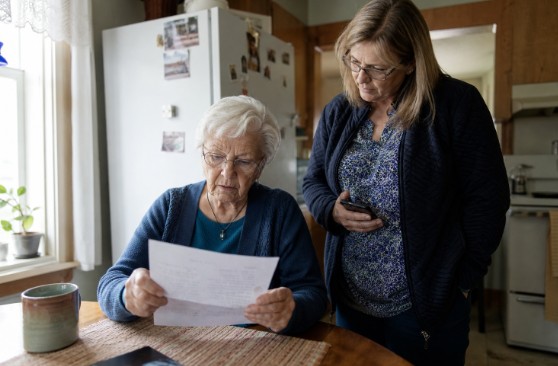
Living alone can be fulfilling and independent, but a small emergency can become more difficult when no one is nearby to notice a problem. A clear plan helps an older adult know whom to call, what to do first, and how others can help if the person cannot be reached by phone. Tools such as alarms for seniors may be one useful part of that plan, especially for someone concerned about falling or becoming ill while alone.
An emergency plan does not need to be frightening, complicated, or expensive. It should reflect the person’s health, home, neighborhood, routines, and preferences. The goal is to make everyday independence more secure while creating a calm, practical response for the situations most likely to happen.
Why a Simple Emergency Plan Matters
Older adults may face added challenges during an emergency, including limited mobility, hearing or vision changes, medication needs, dependence on powered medical equipment, or limited transportation. For example, if a winter storm causes an outage, a person may need light, a charged phone, food, medication, and a warm place to go. Planning those details prevents last-minute confusion.
List the Most Likely Risks First
Focus on realistic risks rather than trying to prepare for every possible disaster. Start with the home and local conditions.
- Falls in the bathroom, kitchen, bedroom, on stairs, or in the yard.
- Sudden illness, breathing trouble, chest pain, weakness, or confusion.
- Smoke alarms, kitchen fires, and the need to leave the home quickly.
- Power outages during heat waves, cold weather, or storms.
- Flooding, wildfire smoke, severe weather, or evacuation orders.
- Missed check-ins when someone does not answer calls or texts.
Create a Personal Emergency Contact Sheet
Print a one-page emergency sheet and place copies near the main phone, refrigerator, and front door. A trusted contact should also have a copy. Include:
- Full name, date of birth, address, and apartment or unit number.
- Primary care provider, pharmacy, insurance information, and preferred hospital.
- Current medications, allergies, major health conditions, and mobility needs.
- Emergency contacts, nearby neighbors, and pet-care instructions.
- Entry details, such as a lockbox location, spare-key holder, or building access instructions.
Build a Reliable Support Network
Choose at least two dependable contacts, preferably people who live in different places and have different schedules. One may be a nearby neighbor who can check the home, while another can coordinate information with family or medical providers.
Set a routine for calls, texts, or video check-ins. Agree on what happens after a missed check-in: try the phone again, contact the local helper, then call emergency services if there is reason to believe the person is in danger. Make a backup arrangement for holidays, travel, illness, or times when the usual contact is unavailable.
Plan for Falls and Sudden Medical Events
A fall plan should assume that the person may not be able to stand, speak clearly, or reach a phone. Keep a charged phone within reach in the bedroom, bathroom, and main living area. Keep paths clear, add lighting near hallways and stairs, and store frequently used items between waist and shoulder height.
Consider a wearable alert device, voice assistant, or emergency call button if it fits daily habits. Review how responders could enter the home. Repeated falls, changes in balance, or new mobility concerns are also good reasons to speak with a health professional.
Prepare for Power Outages and Severe Weather
Keep supplies matched to personal needs instead of building an oversized kit. AARP’s emergency preparedness guide offers useful ideas for preparing for fires, storms, outages, and evacuations.
- Flashlights, extra batteries, a first-aid kit, water, and shelf-stable food.
- A battery bank or backup charger for phones.
- Approved backup medication and copies of prescriptions.
- A plan for oxygen, refrigerated medicine, or equipment requiring electricity.
- A safe destination if the home becomes too hot, too cold, too smoky, or otherwise unsafe.
- Local alert information and transportation options for an evacuation.
Choose Safety Tools That Fit Daily Habits
Technology is most helpful when it is simple enough to use every day. Compare a mobile phone, a wearable alert device, a check-in service, a voice assistant, or a location-sharing feature based on the person’s comfort level. Look for clear audio, water resistance, reliable battery life, two-way communication, and automatic fall detection if appropriate.
Before choosing a service, check cellular coverage at home, monthly fees, privacy settings, and cancellation terms. Technology should support a human network, not replace trusted contacts or emergency services.
Practice the Plan in Five Steps
- Use the chosen method to contact the primary helper.
- State the home address, current location, and type of help needed.
- Confirm how a neighbor, family member, or responder can enter.
- Test the backup phone, charger, flashlight, and alert device.
- Discuss what was confusing and update the plan immediately.
Review Privacy and Personal Choice
Safety planning should preserve control. Before using a device or check-in service, ask what location, health, and contact information it collects, who can see it, and how to change or delete it. Family members should involve the older adult in every decision, including check-in schedules and who receives alerts.
Know When to Update the Plan
Review the plan after a fall, hospital visit, medication change, new diagnosis, move, phone-number change, or loss of a nearby helper. Replace expired supplies, dead batteries, and outdated contact sheets. A review before storm season and another every six months can keep the plan useful.
Common Questions
What should someone living alone do first?
Start with a printed contact sheet, two trusted contacts, a working phone, and a simple daily or weekly check-in routine.
How many emergency contacts are enough?
Two or three dependable people are a practical minimum. Choose people who can respond at different times and from different locations.
What if there is no nearby family?
Neighbors, friends, building staff, community groups, home-care workers, and local aging organizations can all be part of a support network. SAMHSA’s emergency preparedness guidance for older adults also provides planning ideas for medical needs and disaster supplies.
Conclusion
A practical emergency plan is clear, up to date, and easy to follow when stress is high. With trusted contacts, safer home habits, backup supplies, and communication tools that fit daily life, older adults living alone can prepare for common emergencies while maintaining greater confidence and independence.
