


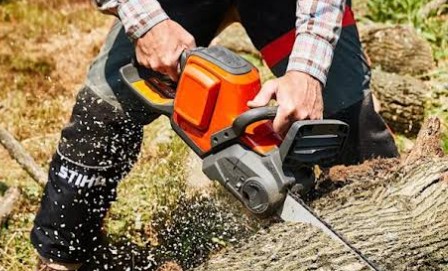
Branch removal and log processing are easier to manage when every cut has a purpose. Whether clearing storm debris, pruning fallen limbs, or preparing firewood, the biggest challenge is often not cutting through the wood it is understanding how the material will move once the cut is complete.
A cordless chainsaw offers convenient mobility for outdoor cleanup and routine woodcutting, particularly where moving between work areas is part of the job. However, battery power does not eliminate the risks associated with unstable branches, trapped guide bars, or sudden changes in wood tension. Reviewing available cordless chainsaw options is one part of preparation; planning the work around the wood, the surroundings, and the operator’s experience is equally important.
The most reliable approach is to divide the job into manageable stages, assess each piece before cutting, and organize the workflow to reduce unnecessary handling.
1. Separate Branch Cutting From Bucking Before Starting
Branch cutting and bucking serve different purposes, so they should be planned separately.
Branch cutting, often called limbing, involves removing limbs from a tree or fallen trunk. Bucking means cutting a felled trunk or large limb into shorter sections. Each operation creates different movement hazards.
For example, a fallen oak may have several branches supporting its trunk above the ground. Removing those branches in the wrong order could cause the trunk to settle, roll, or pinch the saw.
Before starting, identify the work’s objective:
- Remove smaller, accessible branches from fallen material.
- Divide stable trunk sections into manageable lengths.
- Separate usable firewood from brush and unwanted debris.
- Leave hazardous or unstable material for a qualified tree-care professional.
This distinction establishes the cutting sequence before the chainsaw is switched on.
2. Inspect the Work Area for Hidden Hazards
A visual inspection should come before any cutting. Look for overhead deadwood, suspended branches, uneven ground, nearby structures, fences, and electrical lines. Check the wood for embedded nails or other metal objects, especially around old landscaping timber and storm-damaged trees.
Pay particular attention to branches bent beneath another limb or trapped against the ground. These may store considerable energy and move abruptly when released.
Clear loose debris from your footing and establish a route away from the cutting area. Keep children, pets, and other bystanders well clear. If overhead hazards, utility lines, or partially uprooted trees are involved, stop and contact the appropriate professional rather than attempting an improvised solution.
The U.S. Occupational Safety and Health Administration provides additional guidance in its chainsaw safety resources.
3. Choose a Cordless Chainsaw That Matches the Material
The best saw for a task depends on branch diameter, wood species, cutting frequency, and the operator’s ability to control the equipment. A compact model may be practical for routine yard cleanup, while repeated cuts through larger logs demand more capacity and a careful assessment of whether the tool is suitable.
Consider these factors when choosing equipment:
- Guide bar length: The bar must suit the material and the manufacturer’s recommendations. A longer bar is not automatically better for small branches.
- Cutting capacity: Dense hardwood generally places different demands on a saw than smaller, dry softwood branches.
- Battery capacity: More battery energy may help with longer sessions, but actual runtime varies with wood density, chain sharpness, cutting technique, and operating conditions.
- Handling and control: Weight, grip, balance, and access to the chain brake all matter during repeated cuts.
- Maintenance requirements: A sharp chain, correct chain tension, and adequate bar-and-chain lubrication support efficient operation.
Do not select equipment solely by advertised power or battery voltage. Match the complete setup to the job, and consult the manufacturer’s instructions before use.
4. Map the Cutting Sequence Around Wood Movement
Before each cut, ask three questions: What is supporting this piece? Where is the weight concentrated? What will move when the wood separates?
These questions help identify compression and tension. Wood compressed by its own weight may close around the guide bar, while wood under tension may spring or shift when released.
A simple example is a thick limb resting across two supports. Its center may sag, placing the underside under tension and the top under compression. The opposite arrangement can occur when a limb is supported near its center and hangs beyond the ends.
There is no universal cutting sequence that suits every arrangement. If the direction of movement is unclear, do not experiment with the running saw. Have the material assessed by someone trained in chainsaw operations and tension-release techniques.
For additional technical detail, OSHA’s limbing and bucking guidance explains common hazards involving unstable logs and bound wood.
5. Organize Branch Removal to Minimize Rehandling
A well-planned workflow reduces the number of times cut material must be moved. Start by identifying where branches can be placed without blocking access, creating trip hazards, or interfering with later cuts.
For a fallen tree in a backyard, for instance, separate the work area into three zones: active cutting, temporary stacking, and final disposal or storage. Keep the stacking area away from the operator’s immediate working space.
Remove only branches that can be approached safely from stable ground. Work within a comfortable reach, keeping the saw below shoulder height. Never cut directly overhead or attempt to control a branch with one hand while operating the saw with the other.
Avoid removing limbs that support a heavy trunk until the resulting movement is understood. For substantial logs, trained operators should determine the safest sequence and positioning before proceeding.
6. Decide When to Cut Logs Into Shorter Sections
Bucking is more efficient when section lengths are determined before cutting begins. Measure the intended lengths according to the final use, whether that means fitting firewood into a storage rack, transporting debris, or preparing material for disposal.
A measuring stick or marked reference can help maintain consistent lengths without repeatedly estimating by eye. However, length is only one consideration: the log’s diameter, weight, support points, and potential to roll also affect the decision.
Compare the available options:
- Shorter, stable sections: Often easier to handle after cutting, provided the material is safely supported and the cuts are within the operator’s capabilities.
- Longer sections: May reduce the total number of cuts, but can be heavier and more difficult to move.
- Unstable or suspended sections: Require a more detailed assessment. Do not cut through material that could roll, drop, or shift unexpectedly.
Never assume that a log resting on the ground is stable. If it is supported unevenly, trapped beneath another object, or under significant tension, professional assessment may be necessary.
7. Prepare the Saw, Battery, and Protective Equipment
Preparation should be part of the work plan, not something addressed after cutting becomes difficult.
Before use, inspect the saw for damage and verify chain tension, lubrication, chain-brake operation, and other safety features according to the owner’s manual. Use a properly maintained chain; a dull cutting edge can increase effort, heat, and the temptation to force the saw through wood.
Charge the battery and bring a compatible spare if the planned workload warrants it. Keep batteries and charging equipment away from moisture and follow the manufacturer’s storage and temperature guidance.
Wear appropriate chainsaw protective equipment, including eye and hearing protection, suitable gloves, chainsaw-resistant leg protection, and sturdy protective footwear. Head protection is important where falling objects are a hazard.
Maintain a secure two-handed grip and balanced footing. Engage the chain brake or switch off the saw when moving between work positions, as directed by the manufacturer. Take breaks before fatigue compromises control.
8. Avoid Common Mistakes That Make Cutting Less Predictable
Many cutting problems begin with decisions made before the chain touches the wood.
Cutting without checking support: A branch can drop or rotate when its final supporting point is removed. Inspect the entire piece before choosing the cut.
Forcing a pinched guide bar: A closing cut can trap the bar and create a dangerous situation. Stop rather than twisting or pulling aggressively on the saw.
Working beyond a comfortable reach: Leaning, stretching, or cutting overhead reduces control. Reposition yourself only after the chain has stopped and the saw is safe to move.
Ignoring battery and chain condition: Declining performance may reflect a dull chain, inadequate lubrication, or a depleted battery. Diagnose the problem rather than increasing pressure.
Treating storm debris like ordinary firewood: Wind-damaged trees may contain suspended limbs and highly stressed wood. Even a small bent branch can release unexpectedly.
The U.S. Centers for Disease Control and Prevention offers further advice on chainsaw safety after natural disasters.
9. Frequently Asked Questions About Cordless Chainsaw Planning
What is the difference between limbing and bucking?
Limbing removes branches from a tree or fallen trunk. Bucking divides a felled trunk or large limb into shorter sections. Both require attention to wood support, movement, and safe operator positioning.
How should I choose a cordless chainsaw for branch cutting?
Consider branch diameter, wood density, guide bar suitability, battery runtime, handling, and your experience. Always check the manufacturer’s specifications and avoid using a saw beyond its intended capacity.
Why does a chainsaw sometimes become pinched in a log?
The kerf—the opening created by the cut—can close when the wood’s weight or internal stresses bring the cut surfaces together. Assessing the log’s support and tension before cutting helps identify this hazard.
Can I use a cordless chainsaw to clear storm-damaged trees?
It may be suitable for some small, stable debris within the saw’s capacity. Trees with hanging limbs, uprooted root plates, suspended trunks, or power-line involvement should be left to trained professionals.
How can I improve battery runtime during a cutting session?
Use a sharp, properly tensioned chain, maintain adequate lubrication, avoid forcing cuts, and plan the work to reduce unnecessary starts and repositioning. Carry a compatible spare battery when appropriate, following the manufacturer’s guidance.
Conclusion: Plan the Work Before Making the First Cut
Successful branch cutting and bucking depend on more than choosing a capable saw. The operator must understand how each piece is supported, anticipate movement, establish a sensible cutting sequence, and prepare the work area before starting.
A cordless chainsaw can make routine outdoor cleanup more convenient, but its advantages are most useful when paired with sound judgment and disciplined preparation. Divide the job into manageable stages, match the equipment to the material, and recognize when unstable wood requires professional help. The result is a more organized workflow with fewer unnecessary movements and a stronger emphasis on safety.
