


Benjamin and Shapiro Ltd is a Chicago, Illinois-based personal injury law firm that has represented accident victims and their families since 1969. Founded by attorneys Fred Benjamin and Stuart Shapiro, the firm handles cases involving automobile accidents, slip-and-fall injuries, dog bites and other animal attacks, and a range of negligence-based claims. Its attorneys are also well versed in premises liability and products liability matters, including questions about when a property owner may be held responsible for hazardous conditions such as ice accumulation on a walkway. Serving clients throughout Cook County and surrounding areas including Lake County, DuPage County, and Kankakee County, Benjamin and Shapiro Ltd offers no-cost consultations and charges no fees unless compensation is recovered. The firm’s attorneys are affiliated with professional organizations such as the Illinois Trial Lawyers Association and continue a long-standing commitment to seeing justice served for injured clients.
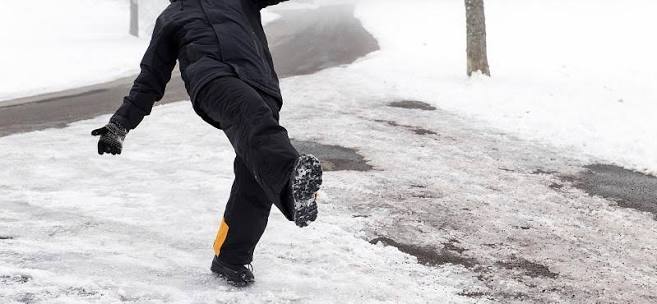
After a fall on an icy walkway outside an apartment building or store, an injured person may wonder whether the owner should have cleared it. Ice can form through snowfall, melting and refreezing, or water flowing from a building. In Illinois, the way it formed can help determine whether the owner is legally responsible.
Illinois generally does not require property owners to remove naturally accumulated snow or ice, which forms through ordinary weather. Liability may arise when ice is an unnatural accumulation, caused or aggravated by a property defect or human activity. Other requirements include proof that the condition caused the fall.
Snow or ice produced solely by ordinary precipitation, melting, and refreezing is generally treated as a natural accumulation. The fact that a property owner attempted to shovel, plow, or salt the area does not by itself make the remaining condition unnatural. Liability instead depends on whether those efforts created or aggravated the accumulation that caused the fall.
Water draining from a building can produce a different result. A damaged gutter or poorly directed downspout may send water onto a walkway, where it freezes and creates ice that would not otherwise have formed there. To support liability, evidence must connect that drainage problem to the patch that caused the fall.
Snow-removal activity can sometimes create an unnatural accumulation. For example, piled snow may melt, drain across a walking surface, and refreeze elsewhere. Liability requires evidence connecting that process to the precise area where the plaintiff fell.
Merely showing that a parking lot was plowed or that some snow or ice remained is not enough.
A duty can also arise from a contract or voluntary undertaking. A lease, management agreement, or snow-removal contract may require work that the common-law natural-accumulation rule would not otherwise require. Whether an injured visitor can recover from a contractor depends on the scope of the undertaking and the circumstances under which Illinois law recognizes a duty to third parties.
For unnatural ice, knowledge of the hazard can affect liability. Actual notice means the owner knew about the icy area, while constructive notice means the owner should have discovered it under the circumstances. Earlier complaints about recurring drainage problems or evidence showing how long the ice remained may help establish notice.
Showing where the water came from is only part of the proof. Evidence must connect that source to the precise spot where someone fell.
Photographs of the walkway and nearby gutters, witness descriptions, maintenance information, and weather records can help establish the conditions. A later photograph of a puddle may not show where the original ice formed.
Illinois also provides limited protection for efforts to clear sidewalks adjoining residential property. Under the Snow and Ice Removal Act, covered owners, occupants, and others performing removal work generally receive protection from injury claims arising from those efforts, except for willful or wanton misconduct, which goes beyond ordinary carelessness.
This protection does not automatically extend to separate drainage defects or negligent property maintenance.
Snow and ice may melt or be cleared before anyone investigates a fall, erasing details about where water collected. Photographing the icy spot, nearby downspouts, and any snow piles while they remain visible can preserve those details.
Weather information and maintenance records can help establish whether conditions changed before the location was examined.
About Benjamin and Shapiro Ltd
Benjamin and Shapiro Ltd is a Chicago-based personal injury law firm established in 1969 by attorneys Fred Benjamin and Stuart Shapiro. For more than five decades, the firm has represented thousands of clients and their families in cases involving automobile accidents, premises liability, product liability, and wrongful death. Its attorneys are affiliated with organizations including the Illinois Trial Lawyers Association and serve clients throughout Cook County and the greater Chicago area, offering no-cost consultations and contingency-based representation.
