



“A woman is in a boat on a lake. She has a brick in the boat with her. She throws the brick into the water. Does the water level in the lake rise, fall, or stay the same?”
Answer:
The water level falls.
Explanation:
- While the brick is in the boat, it displaces an amount of water equal to its weight.
- When the brick is thrown into the lake, it sinks and only displaces an amount of water equal to its volume.
- Since bricks are denser than water, the volume of water displaced by the brick when it sinks is less than the volume displaced when it was in the boat.
- As a result, the overall water level in the lake decreases.
What Is the “There’s a Woman in a Boat” Riddle?
The “There’s a Woman in a Boat“ riddle is a popular brain teaser that plays with physics, specifically the principles of buoyancy and displacement. It goes like this:
👉 “A woman is in a boat on a lake. She has a brick in the boat with her. She throws the brick into the water. Does the water level in the lake rise, fall, or stay the same?”
At first glance, many people assume the water level rises because something has been added to the lake. However, the actual answer is more complex!
The Trick Behind This Viral Riddle

The “There’s a Woman in a Boat” riddle is a clever puzzle that plays on intuition and challenges how we think about buoyancy and water displacement. It tricks people because it seems simple, but the physics behind it are counterintuitive.
The Immediate Assumption is Wrong
Many assume that throwing an object into water will increase the water level. After all, the brick is now in the lake, right?
However, this ignores the fact that the brick was already affecting the water level while in the boat.
The Key Lies in Weight vs. Volume
While in the boat, the brick contributes to displacement by weight.
Once thrown into the lake, it sinks and displaces water based on its volume, which is significantly less.
A Floating Boat Displaces More Water
When an object is inside a floating boat, the boat sinks slightly deeper, pushing aside more water.
When that object is removed and thrown into the water, the boat rises, reducing its displacement, while the brick displaces much less than it did when it was in the boat.
Can You Solve It Before Seeing the Answer?
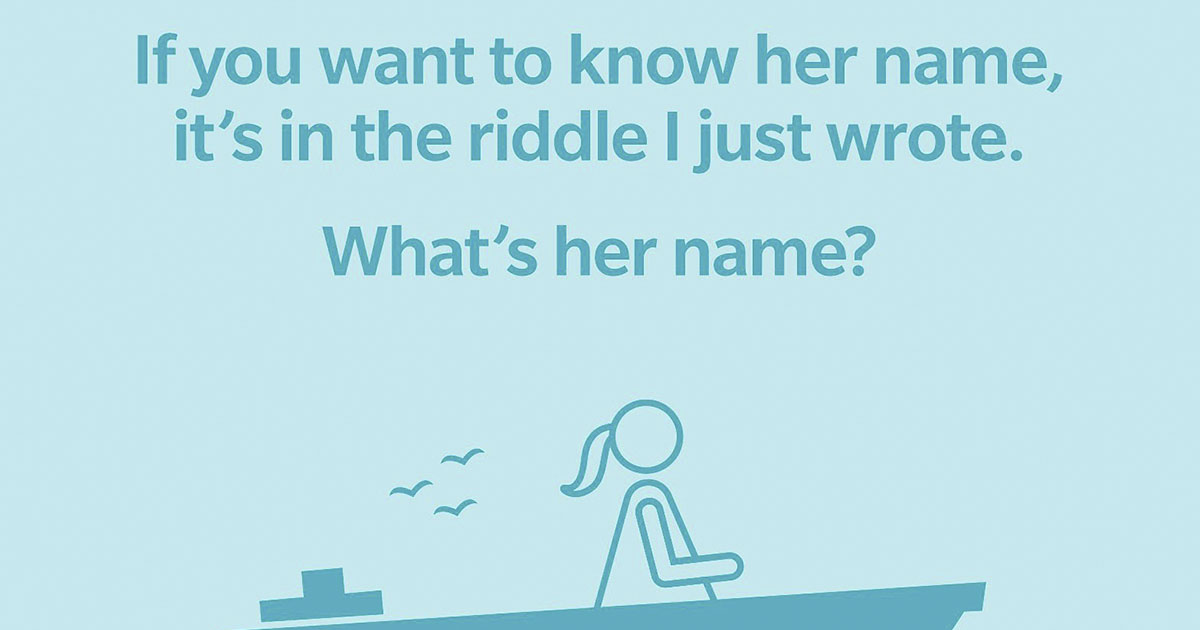
Here’s a fun challenge for you! This riddle has tricked countless people—will you be one of them, or can you figure it out before seeing the answer? 🤔
The Riddle:
👉 “A woman is in a boat on a lake. She has a brick in the boat with her. She throws the brick into the water. Does the water level in the lake rise, fall, or stay the same?”
Sounds simple, right? Think carefully before scrolling down to the answer! 🚤💭
Take a moment…
Really think about it…
Got your answer?
Common Guesses (And Why They’re Wrong)
“The water level rises.”
- This seems logical—after all, the brick is now in the water! But there’s more to consider.
“The water level stays the same.”
- Another reasonable guess. The brick was in the boat, now it’s in the lake—so shouldn’t it balance out? Not quite!
Ready for the Answer?
The water level actually FALLS.
Yes, really! Here’s why:
Before throwing the brick – The boat is floating, and it displaces water based on its total weight, including the brick.
After throwing the brick – The boat rises slightly because it no longer has the brick’s weight. Meanwhile, the brick sinks and only displaces water equal to its volume, which is much less than the water displaced when it was in the boat.
Result? The water level drops!
Fun Facts About There’s a Woman in a Boat Riddle
-
It’s Based on Archimedes’ Principle
The riddle relies on buoyancy and water displacement, key concepts discovered by the ancient Greek mathematician Archimedes.
The trick is understanding that a floating boat displaces water equal to its weight, while a sunken object only displaces its own volume.
-
Most People Get It Wrong
Many instinctively assume that the water level will rise or stay the same after the brick is thrown in.
The surprising truth? The water level actually drops! This counterintuitive answer makes the riddle so fascinating.
-
It’s Used in Science and Math Classes
Teachers often use this riddle to explain fluid mechanics, making physics more interactive and engaging.
It’s a fun, practical way to test students’ understanding of weight, displacement, and density.
-
You Can Test It in Real Life!
Want to see the effect for yourself? Try this experiment:
- Fill a bowl with water (representing the lake).
- Place a floating container inside (a toy boat or plastic cup).
- Put a small rock (the “brick”) inside the boat.
- Mark the water level, then drop the rock into the water.
- Watch as the water level falls instead of rising!
-
It’s Similar to the Famous “Cannonball Riddle”
Another version involves a cannonball being thrown off a boat, leading to the same surprising outcome.
Both riddles show how removing weight from a floating object reduces its displacement, making the water level drop.
-
It’s a Fun Trick to Play on Friends & Family
Want to stump someone? Ask them the riddle and see how confidently they get it wrong!
It’s a great conversation starter at parties or in classrooms.
-
The Riddle Has Been Around for Decades
While the exact origin is unknown, variations of this puzzle have appeared in physics books, online forums, and educational materials for years.
It remains a favorite because it challenges common sense and encourages critical thinking.
Frequently Asked Questions About There’s a Woman in a Boat Riddle
What Is the “There’s a Woman in a Boat” Riddle?
The riddle goes like this:
“A woman is in a boat on a lake. She has a brick in the boat with her. She throws the brick into the water. Does the water level in the lake rise, fall, or stay the same?”
The answer isn’t as obvious as it seems!
What Is the Correct Answer?
The water level falls.
This is because:
- While the brick is inside the boat, it contributes to the boat’s weight, which means the boat displaces more water.
- When the brick is thrown into the water, the boat becomes lighter and displaces less water.
- The brick itself only displaces water equal to its volume, which is less than the amount it displaced when it was in the boat.
Result? The water level drops!
Why Do Most People Get It Wrong?
The trick is that people focus on the brick hitting the water instead of the boat’s reaction. Many assume that adding the brick to the water makes the level rise, but they forget that the boat was displacing even more water before the brick was thrown.
What Scientific Principle Explains This?
This riddle is based on Archimedes’ Principle, which states that a floating object displaces water equal to its weight, while a sinking object displaces water equal to its volume.
Since the brick is denser than water, it sinks and displaces less water than when it was in the boat.
Conclusion About There’s a Woman in a Boat Riddle
The “There’s a Woman in a Boat” riddle is a perfect example of how our intuition can sometimes mislead us when it comes to physics and logic.
While most people assume that throwing a brick into the water will make the water level rise or stay the same, the actual answer—the water level falls—teaches an important lesson about buoyancy and displacement.
At its core, the riddle is based on Archimedes’ Principle, which explains that a floating object displaces water based on its weight, while a submerged object displaces water based on its volume.
Since the brick displaces more water when inside the boat than when it is thrown into the lake, the overall water level actually drops once it’s in the water.
This brain teaser has been widely used in classrooms, physics discussions, and online puzzles because it challenges common sense thinking and encourages a deeper understanding of fluid mechanics.
