


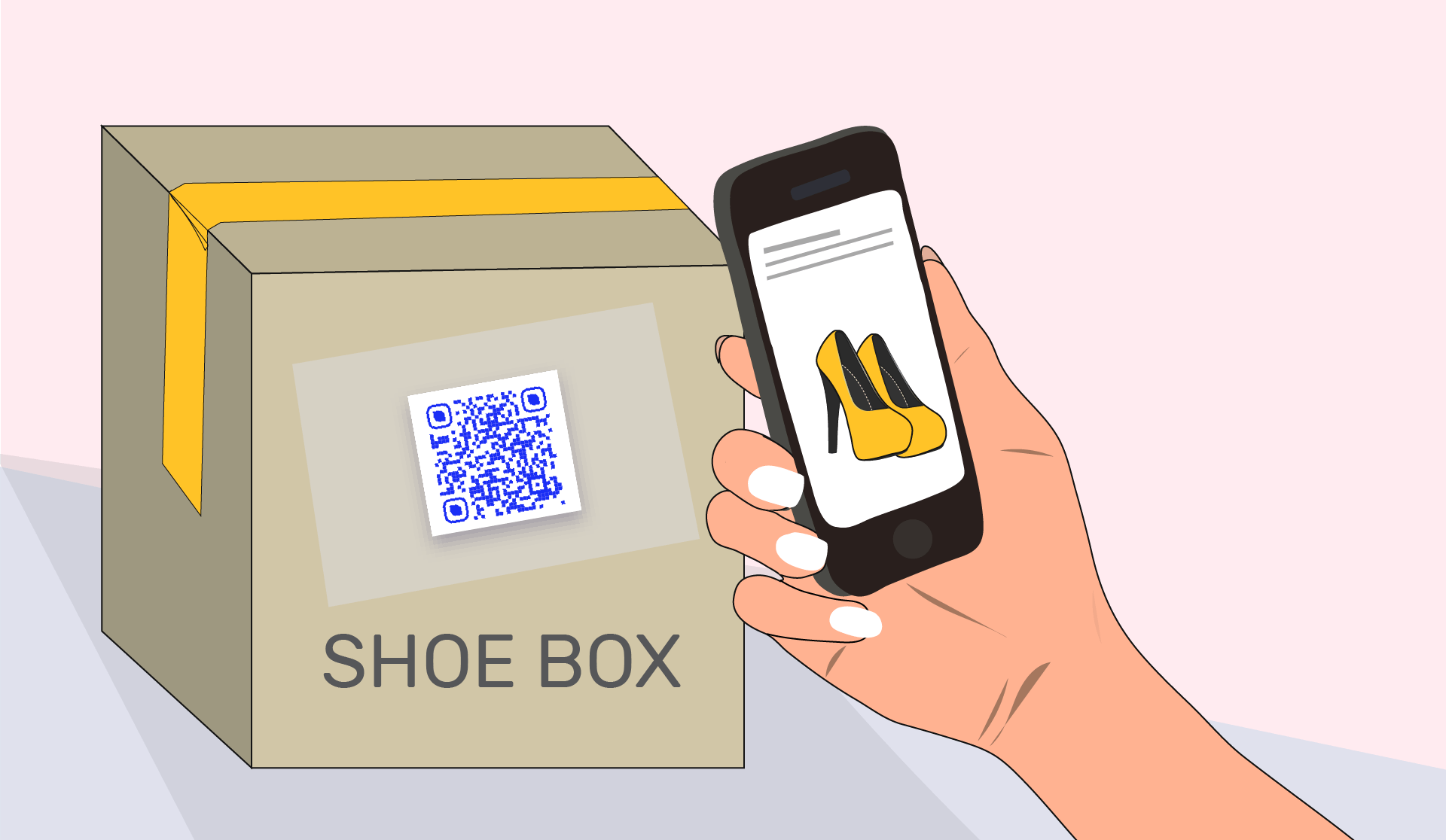
Today, what’s on the outside of a food product is just as important as what’s inside. Labels no longer just display the brand name and expiry date. They’re becoming smarter, offering insights into where food comes from, how it’s made, and even offering rewards to loyal customers.
This shift is largely thanks to the use of NFC and QR codes in food labels. These technologies are changing how we interact with food packaging and making it more informative, engaging, and transparent.
What are QR codes and NFC, and how do they work on labels?
QR codes are square barcodes that you can scan with your phone’s camera. They quickly direct you to a website, video, or app, where you can dive deeper into the product details.
NFC (Near Field Communication), on the other hand, offers an even more seamless experience. Simply bring your phone close to the label, and the linked content opens instantly.
Unlike QR codes, NFC doesn’t require you to open your camera or press any buttons-it’s immediate. This is one of the reasons why many premium food brands are embracing it.
Both technologies are powerful, but each has its advantages. QR codes are more affordable and widely recognised, while NFC tags provide a smoother, more secure interaction.
Why are food brands going smart with labels?
Smart labels are solving real problems for both consumers and brands.
For customers, they offer transparency. You can now find out where your food was grown, how it was processed, and whether it fits your dietary needs. For brands, these digital touchpoints open up new opportunities to build trust, share their story, and even collect feedback.
They also help declutter packaging. Instead of cramming every detail onto a label, brands can keep the design clean and direct customers to digital content, making the packaging more attractive and eco-friendly.
Real-world applications and case studies
Let’s take a look at how some leading brands are using QR codes to engage with their customers in meaningful ways.
Nestlé
Nestlé has been a leader in smart labelling. On many of their products, QR codes allow customers to trace the origins of the ingredients and learn about the entire production process.
For example, their Swiss coffee brand, Zoégas, uses this technology to show coffee lovers exactly where the beans were sourced and how they were processed. This initiative is part of Nestlé’s broader goal to make food supply chains more transparent.
Beyers Koffie
Another interesting case is Beyers Koffie, a Belgian coffee producer. Since 2020, they’ve been adding QR codes to their coffee packaging to offer customers a “farm-to-cup” experience. This allows coffee lovers in the U.S. and Canada to discover the story behind each brew.
Coca-Cola
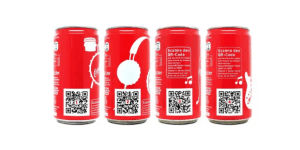
Coca-Cola, renowned for its innovative marketing, has taken a unique approach. Their Sip and Scan rewards system, launched in 2018, allows customers to scan a QR code on their cans or bottles to unlock exclusive prizes. It’s a fun, engaging way to drive sales, encourage repeat purchases, and gather valuable customer data.
Leyda Winery
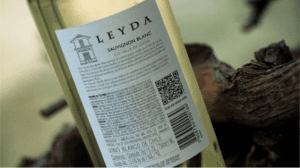
Finally, Leyda Winery, a brand known for its premium Chilean wines, includes QR codes on its wine bottles. Scanning the code not only promotes their products but also provides detailed information about the winery’s story and processes.
These examples show how smart labelling is a strategic tool for brand storytelling and consumer engagement.
Making the switch: what brands should consider
For brands looking to integrate NFC or QR codes into their packaging, the process is simpler than it may seem. It all starts with a clear goal: do you want to educate, engage, or reward your audience? Once you’ve identified your objective, designing the right label becomes much easier.
The key is to keep the user journey simple. Make sure the label is easy to scan and takes the consumer to a well-designed landing page or experience. Brands can partner with experts in custom food label stickers to get the design and print quality just right.
It’s also important to work with reliable providers of online labels printing in Australia to make sure the technology behind the labels functions as it should, as no one wants a QR code that doesn’t scan or an NFC tag that doesn’t respond.
Closing Thoughts
The shift from traditional stickers to smart technologies like NFC and QR codes is changing the way we interact with and understand the food we buy.
As consumers increasingly demand more transparency and engagement, brands that embrace these innovations will be better positioned to build trust and loyalty in a competitive market.
Now is the perfect time for businesses to rethink their packaging strategy and adopt smarter solutions.
