


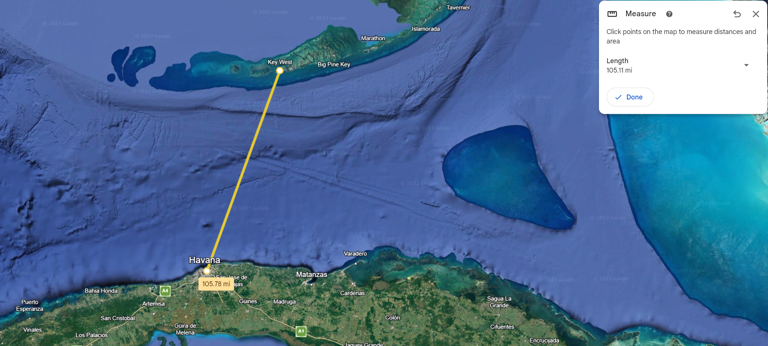
Cuba and Florida are remarkably close neighbors, separated by only a narrow stretch of water known as the Florida Strait. This proximity has shaped not just geography, but also history, culture, and politics between the two regions.
At its closest point, Cuba is just about 90 miles south of Key West, Florida, making it the nearest foreign country to the continental United States.
Because of this short distance, many people are curious about the ease of travel, historical connections, and the natural relationship that exists between the two locations.
Whether for tourism, historical interest, or migration, the closeness of Cuba to Florida continues to have a major impact today.
Exact Distance Between Cuba and Florida
The exact distance between Cuba and Florida depends on the specific points being measured, but at the closest point — from Key West, Florida, to the northern coast of Cuba — the distance is approximately 90 miles (about 145 kilometers).
This short stretch of water is known as the Florida Strait. In broader terms, distances can vary slightly depending on where in Florida or Cuba you are starting from or traveling to.
However, that 90-mile gap is often the reference point used when discussing how close these two places truly are.
This proximity makes travel between them relatively quick by air and has played a huge role in the historical, cultural, and political ties between the U.S. and Cuba.
Closest Points Between Cuba and Florida
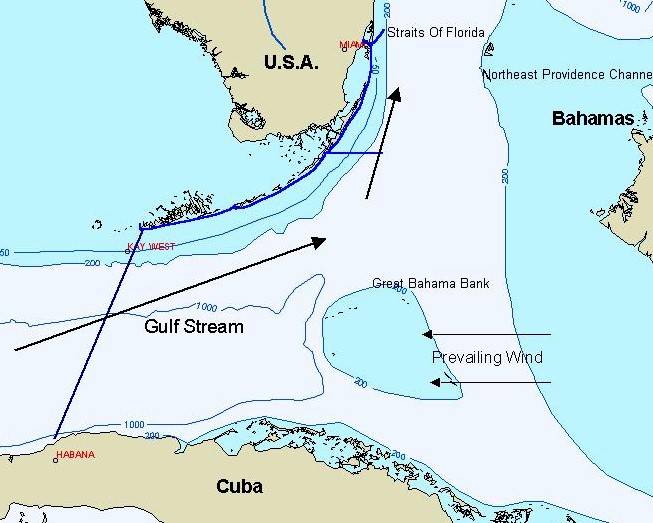
The closest points between Cuba and Florida are Key West and the town of Havana Province on Cuba’s northern coast. Specifically, the shortest distance is about 90 miles (145 kilometers) across the Florida Strait.
Key West, located at the southernmost tip of the Florida Keys, is often recognized as the nearest U.S. city to Cuba. On the Cuban side, areas near Havana are the closest major destinations.
This close proximity has historically encouraged cultural exchanges, migration, and even daring attempts to cross the strait by boat or raft.
How Long Does It Take to Travel from Florida to Cuba?
Traveling from Florida to Cuba is relatively quick, especially by air. A direct flight from Miami to Havana typically takes around 45 minutes to 1 hour, covering the 90 miles (145 kilometers) between the two locations.
Flights from other cities in Florida, like Tampa or Orlando, may take a bit longer, generally between 1.5 to 2 hours, depending on the exact departure and arrival points.
This makes Cuba one of the closest international destinations to the U.S. mainland, and air travel is the most efficient method for most people.
For those who prefer to travel by boat, the journey from Key West, Florida, to Havana, Cuba, typically takes a bit longer. Depending on the type of boat, weather conditions, and speed, the trip can take anywhere from 4 to 8 hours.
Private boats and ferries sometimes offer services across the Florida Strait, though these options can vary, and travelers should ensure they have the proper permits and documentation, as U.S. regulations and Cuban immigration policies play a role in these crossings.
Whether by air or sea, the short distance and ease of travel make Cuba an accessible destination from Florida, though travelers should always check the latest travel advisories and regulations.
Ways to Travel from Florida to Cuba
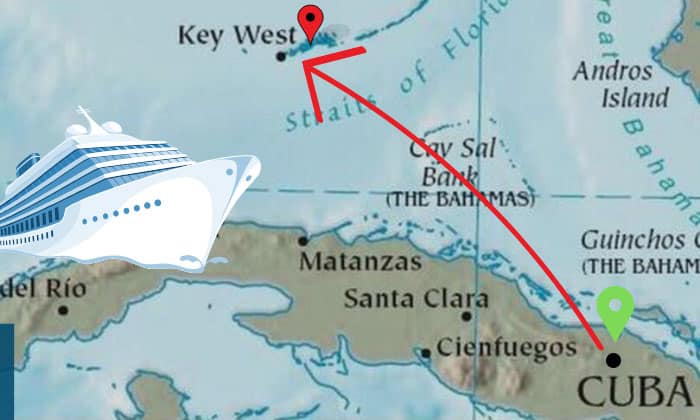
There are several ways to travel from Florida to Cuba, each offering different experiences depending on time, budget, and personal preferences.
Here are the most common methods:
- By Air (Commercial Flights)
The fastest and most popular way to travel from Florida to Cuba is by commercial flight. Several airlines, including American Airlines, JetBlue, and Southwest, operate direct flights from cities like Miami, Fort Lauderdale, and Tampa to Havana and other Cuban cities.
These flights typically take 45 minutes to 1.5 hours, making air travel the most efficient option. Travelers should be aware of travel restrictions and ensure they have the proper documentation, including visas where required.
- By Private Plane
For those seeking a more personalized and private experience, flying in a private plane is an option. This is typically more expensive but provides flexibility in departure times and destinations. Private flights can land at smaller airports across Cuba, not just in Havana. - By Boat (Private or Charter)
For adventurous travelers, crossing the Florida Strait by boat is an option. While not as common as flying, some people take private boats, yachts, or chartered ferries to reach Cuba. Depending on the boat’s speed and weather conditions, this journey can take anywhere from a few hours to a full day. - Cruise Ships
Cruise ships traveling from Florida to Cuba became popular in the past few years, offering a more leisurely way to visit the island.
However, U.S. regulations regarding cruise travel to Cuba can fluctuate, and travelers need to check the current policies regarding Cuban cruises. These cruises often depart from Miami and may include stops in Havana and other cities in Cuba.
Historical Significance of the Cuba–Florida Distance
The proximity between Cuba and Florida has held significant historical, cultural, and political importance over the centuries, influencing various aspects of both regions.
The mere 90 miles (145 kilometers) that separate Cuba’s northern coast from Florida’s southern tip have shaped interactions, migrations, and geopolitical tensions.
Cultural Exchange
Due to its close proximity, Florida and Cuba have shared deep cultural ties. Cuban immigrants have significantly influenced Florida’s cultural landscape, particularly in Miami, where a large Cuban-American community thrives.
The exchange of traditions, music, art, and cuisine has enriched Florida’s cultural identity and helped create a unique blend of Cuban and American influences.
Migration Patterns
Over the decades, the distance between Cuba and Florida has been a key factor in waves of migration, particularly after the Cuban Revolution of 1959. Thousands of Cubans fled the island, often by boat, seeking refuge in Florida.
This migration shaped Florida’s demographic makeup and also influenced U.S. immigration policy, including the Cuban Adjustment Act of 1966, which granted Cuban refugees a path to permanent residency.
Political and Military Significance
The close proximity of Cuba to Florida has been central to U.S.-Cuba relations, particularly during the Cold War. The Cuban Missile Crisis of 1962, in which the Soviet Union placed nuclear missiles in Cuba, brought the two nations to the brink of nuclear war.
The crisis underscored the strategic importance of the distance between the two regions, highlighting the risk posed by Cuba’s proximity to the U.S.
Economic Ties
Historically, the distance also made Cuba a critical trade partner for Florida, especially before the 1960s when trade between the U.S. and Cuba was common.
Following the Cuban trade embargo, Florida’s economy, particularly in the tourism and shipping industries, felt the impact of strained relations. However, Cuban trade and economic activities have always been a topic of interest for Florida’s policymakers and businesses.
Why the Distance Matters Today

The 90-mile distance between Cuba and Florida continues to matter today for several key reasons, including cultural, economic, political, and environmental factors.
Here are some of the main ways in which this proximity still plays a significant role:
Cultural and Social Impact
Florida’s close proximity to Cuba has fostered a unique cultural exchange, with the Cuban-American community playing a central role in Florida’s identity, particularly in cities like Miami.
Cuban culture, from music and art to food and traditions, is deeply woven into the fabric of Florida’s diverse communities.
The migration of Cuban families over the years has shaped Florida’s social and political landscape, and the Cuban-American vote remains a key influence in the state’s elections.
Migration and Refugee Flows
For decades, the distance between Cuba and Florida has been a crucial factor in Cuban migration to the U.S. The Cuban government’s policies and political climate have driven waves of Cubans to seek refuge in Florida, often by risky sea voyages.
While migration patterns have shifted over the years due to changing U.S. policies and improved relations at times, Florida remains a central destination for Cuban exiles and their descendants. The question of how to handle Cuban migration remains an ongoing political issue in the U.S.
Economic and Trade Considerations
Despite the political tensions and the trade embargo imposed by the U.S., Cuba’s proximity to Florida has continued to spark economic interest.
For instance, Florida businesses and the tourism industry see opportunities in the eventual normalization of trade and travel relations with Cuba.
Given the ease of access, Florida would benefit from tourism, trade, and investment opportunities if U.S. sanctions on Cuba were lifted.
Additionally, the Cuban government has explored avenues to develop trade relations with the U.S. through Florida ports, given their proximity.
Geopolitical and Strategic Importance
Cuba’s proximity to Florida has kept the island at the center of geopolitical tensions, particularly during the Cold War and in recent decades with renewed concerns over Cuba’s relationships with countries like Russia and Venezuela.
The Cuban Missile Crisis of 1962 is a stark example of how Cuba’s closeness to Florida created national security concerns for the U.S. Today, while relations are more diplomatic, Cuba’s strategic position continues to influence U.S. foreign policy decisions in the region.
Environmental and Climate Concerns
Florida and Cuba share concerns regarding environmental issues, particularly in terms of natural disasters like hurricanes. The close proximity of the two regions means that a major storm affecting one could also have an impact on the other.
Additionally, both regions face similar challenges in terms of coastal erosion, rising sea levels, and protecting marine ecosystems.
There are opportunities for cross-border environmental cooperation to address these challenges, but political and logistical hurdles often prevent such initiatives from reaching their full potential.
Tourism and Travel
Florida’s proximity to Cuba has always made the island an attractive destination for U.S. travelers, particularly in the context of tourism. In recent years, there has been growing interest in people-to-people exchanges, cultural tourism, and even potential business travel.
As U.S.-Cuba relations have evolved, many people look to travel between the two regions for historical, cultural, and personal reasons. The ease of travel—when possible—further highlights the importance of this geographical connection.
Final Thoughts
In conclusion, the 90-mile stretch between Cuba and Florida is far more than just a geographic measurement. It holds deep cultural, political, and economic significance that continues to shape the relationship between the United States and Cuba.
From migration and refugee movements to tourism, trade, and environmental concerns, this proximity has influenced both regions in profound ways.
The cultural impact, particularly through the Cuban-American community in Florida, has been especially significant, enriching the social fabric of the state while maintaining strong ties to Cuba.
Additionally, the historical context—marked by events such as the Cuban Missile Crisis and the ebb and flow of U.S.-Cuba diplomatic relations—has kept the distance a key factor in U.S. foreign policy.
As we look to the future, the proximity between the two regions offers opportunities for greater cooperation in various areas, including environmental protection, economic trade, and even tourism.
However, political challenges still persist, and the situation remains fluid, requiring ongoing attention and diplomacy.
Ultimately, the distance between Florida and Cuba is a reminder of how geography, history, and policy intersect, affecting the lives of millions and the broader dynamics of international relations.
