


Growing older brings change, but it also brings clarity. Many women over 50 reach a stage where they understand their bodies, their limits, and their priorities better than ever before. This phase of life often comes with confidence, resilience, and a stronger sense of self.
Self-care after 50 does not revolve around chasing youth. It focuses on feeling strong, comfortable, and confident in everyday life. Small, thoughtful choices can improve energy, appearance, and emotional balance.
This guide explores practical self-care strategies designed specifically for women over 50. Each section offers realistic tips that support health, confidence, and long-term comfort, helping you move forward with intention and ease.
Supporting Hormonal Balance and Overall Health
Hormonal changes can influence many aspects of health after 50. Shifts in estrogen levels may affect energy, mood, sleep, and weight. Paying attention to these changes allows women to respond with informed decisions rather than frustration. Regular checkups help identify concerns early and provide guidance tailored to individual needs.
Lifestyle choices also play an important role. Balanced nutrition, regular movement, and stress management support hormonal health naturally. Some women benefit from medical guidance when symptoms interfere with daily life. Addressing hormonal health openly creates a stronger foundation for physical and emotional well-being.
Prioritizing Skincare as Your Skin Changes
Skin naturally changes with age. It may become drier, thinner, or less firm, which makes skincare an important part of self-care after 50. A consistent routine that focuses on cleansing, hydration, and sun protection helps maintain skin comfort and appearance. These steps support skin health rather than trying to reverse time.
Some women also choose professional treatments to address specific concerns. Procedures like a facelift or an eyebrow lift can offer subtle, refreshed results when done thoughtfully. Facilities such as Harmony Facial Plastic Surgery provide options for women who want expert guidance and personalized care. Skincare choices should always align with personal comfort and realistic expectations, whether they involve daily products or professional support.
Staying Active With Purpose and Care
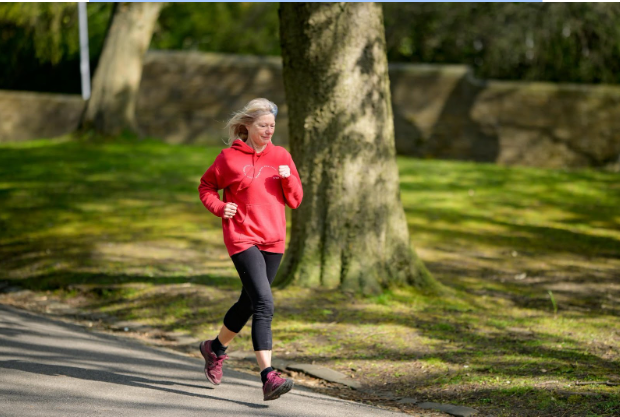
Movement remains vital at every age, but the approach often changes after 50. High-impact workouts may no longer feel right, while strength training, walking, swimming, or stretching can offer lasting benefits. Staying active helps protect joints, maintain muscle mass, and support balance.
Consistency matters more than intensity. Choosing activities you enjoy makes it easier to stay engaged long term. Movement also supports mental clarity and emotional health. When exercise feels supportive instead of exhausting, it becomes a sustainable part of daily self-care.
Nourishing Your Body With Smart Nutrition
Nutritional needs evolve over time, which makes mindful eating especially important in your fifties. Metabolism may slow, but the body still requires quality nutrients to function well. Meals that include protein, fiber, healthy fats, and essential vitamins support muscle strength, digestion, and energy.
Hydration also becomes more important, especially for skin and joint health. Rather than restrictive diets, a balanced approach works best. Listening to hunger cues and focusing on nourishment helps women feel satisfied and supported. Thoughtful nutrition choices can improve how the body feels day to day.
Protecting Mental and Emotional Well-Being
Mental and emotional health deserve just as much attention as physical care after 50. Many women experience changes during this stage that affect mood, focus, or motivation. Life transitions, shifting family roles, and evolving careers can all create emotional strain. Acknowledging these changes helps reduce self-judgment and encourages healthier coping strategies.
Simple habits can support emotional balance. Setting boundaries, taking breaks without guilt, and allowing time for reflection can make daily life feel more manageable. Staying socially connected also plays a key role. Meaningful conversations and shared experiences help reduce feelings of isolation and reinforce a sense of belonging.
Improving Sleep Quality and Recovery
Sleep often becomes lighter or more disrupted with age, yet quality rest remains essential for overall health. Poor sleep can affect mood, memory, and energy levels, making everyday tasks more challenging. Creating a consistent bedtime routine can signal the body to wind down and prepare for rest.
Limiting screen time in the evening, keeping a comfortable sleep environment, and maintaining regular sleep hours can improve rest over time. Addressing sleep concerns early prevents them from becoming chronic. When sleep improves, many women notice better focus, steadier emotions, and improved physical recovery.
Maintaining Confidence Through Personal Style
Personal style continues to evolve after 50, often becoming more intentional and self-defined. Comfort and fit take priority, but that does not mean sacrificing confidence. Clothing that supports movement and reflects personal taste can boost self-esteem and make daily routines more enjoyable.
Grooming habits also play a role in self-image. Simple routines that feel manageable can help women feel put together without pressure. Dressing for personal satisfaction rather than external expectations encourages authenticity. Confidence often grows when appearance choices align with how you want to feel each day.
Keeping Preventive Health a Priority
Preventive care becomes increasingly important with age. Regular screenings and health checkups allow women to stay informed about their bodies and address concerns early. Monitoring heart health, bone density, and vision supports long-term independence and mobility.
Staying proactive reduces stress and uncertainty around health issues. Building a trusted relationship with healthcare providers makes it easier to ask questions and seek guidance. Preventive care supports peace of mind and allows women to focus on living fully rather than reacting to avoidable health problems.
Living well after 50 means giving yourself permission to adapt without apology. This stage invites women to care for their mental health, protect their energy, and pursue fulfillment on their own terms.
When self-care becomes a steady practice rather than a reaction, it creates room for growth and satisfaction. Aging does not close doors. It offers a chance to step forward with intention, curiosity, and a deeper connection with yourself.
