


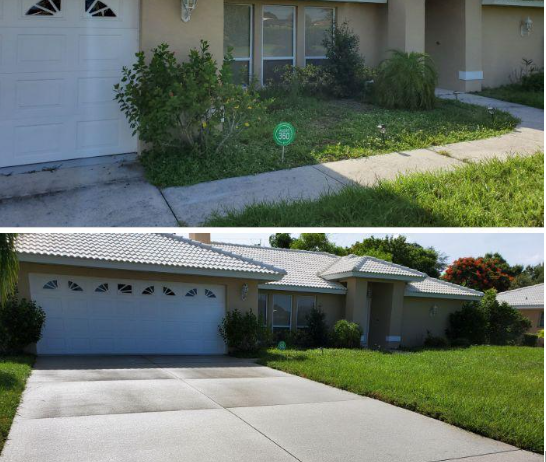
A driveway takes more punishment than most exterior surfaces around a home. Cars move across it every day, tires bring in road grime, leaves settle on the surface, and Florida’s warm weather creates favorable conditions for algae and mildew. Over time, a driveway that once looked bright and clean may become covered with dark patches, stains, and layers of dirt.
Regular driveway cleaning removes layers of dirt and organic buildup that ordinary sweeping or rinsing may leave behind. For Parrish residents exploring professional exterior cleaning options, https://pressurewashingparrish.com provides information on local pressure washing services and common exterior cleaning needs.
Keeping a driveway clean is about more than making the entrance look better. Buildup can become harder to remove the longer it stays on the surface. Understanding where stains come from, when cleaning is needed, and how to manage the process responsibly makes driveway maintenance much easier.
Why Driveways Get Dirty So Fast
Driveways are exposed every day to vehicles, weather, landscaping, and outdoor debris. Even a driveway that looks fairly clean after installation will slowly begin to change.
Vehicle tires carry dust, soil, rubber residue, and road grime onto the surface. Cars may also leave small amounts of oil, grease, coolant, or other fluids behind. In areas with trees, leaves and plant material can settle on the driveway and stay wet after rain.
Florida’s humidity adds another challenge. Shaded areas may remain damp long enough for algae, mildew, and other organic growth to develop.
Concrete is also porous. Some liquids and contaminants may work their way below the surface instead of remaining on top. Once that happens, a quick rinse with a garden hose may not be enough.
Routine driveway cleaning can keep these layers of buildup from accumulating year after year.
Signs It Is Time for Cleaning
You do not need special equipment to recognize when a driveway needs attention. In many cases, the visual changes are easy to spot once you know what to look for.
Dark gray or black sections are among the most common signs. These areas may develop from road grime, tire residue, moisture, or organic growth.
Green patches often point to algae, especially in areas that receive limited sunlight. Brown stains may come from leaves, soil, or plant debris. Orange or reddish marks sometimes develop around metal objects, irrigation systems, or mineral deposits.
Other warning signs include:
- Persistent tire tracks
- Oil spots beneath parked vehicles
- Slippery sections after rain
- Dirt collecting along driveway edges
- Uneven coloring across the surface
- Dark buildup near garages and parking areas
Scheduling driveway cleaning before the entire surface becomes heavily stained usually makes maintenance more manageable.
Why a Garden Hose Is Not Always Enough
A garden hose works well for grass clippings, loose dirt, and fresh mud. Once grime becomes attached to concrete, however, water from a standard hose may have limited impact.
Oil is a good example. Because concrete contains small pores, automotive fluids may soak below the visible surface. Algae and mildew may also cling tightly to concrete instead of simply resting on top.
Cleaning these materials often requires a combination of water pressure, appropriate cleaning solutions, and surface cleaning equipment.
More pressure is not always the answer. Using excessive force or holding a pressure washer too close to concrete may create visible lines or inconsistent cleaning patterns.
Effective driveway cleaning depends on understanding the surface condition and using a method suited to the material and stain.
Different Stains Need Different Treatments
Driveway stains may look similar from a distance, but they do not all respond to the same cleaning approach.
Organic Growth
Algae and mildew often appear in shaded or damp sections of a driveway. These areas may look green, brown, or almost black depending on how long the growth has been present.
Leaves can cause discoloration as well. Wet leaves left on concrete may release natural pigments that create brown marks.
Automotive Fluids
Oil and grease stains can be challenging because they may soak into porous concrete. Fresh spills are usually easier to treat than stains that have remained for months.
Use cleaning products designed to break down grease before rinsing the area.
Tire Marks and Road Grime
Vehicles continually leave small amounts of rubber and road debris behind. Busy sections of a driveway may gradually develop darker tracks where cars regularly enter, exit, or turn.
Rust and Mineral Marks
Orange or reddish stains may develop near metal furniture, irrigation equipment, tools, or other objects that remain wet against the driveway.
Identifying the source before beginning driveway cleaning makes it easier to choose an appropriate treatment instead of repeatedly scrubbing with little improvement.
Pay Attention to Where Runoff Goes
Cleaning a driveway moves more than dirt. Water may also carry oil residue, detergents, leaves, sediment, and other materials across paved surfaces.
That makes runoff an important part of responsible exterior maintenance.
The U.S. Environmental Protection Agency explains that stormwater flowing across hard surfaces can collect pollutants before entering storm drains and nearby waterways. More information is available through the EPA’s stormwater resources.
Before washing, remove leaves, trash, and loose debris whenever possible. Use cleaning products according to their directions, and don’t treat runoff as something that simply disappears once it reaches the street.
A little planning keeps the cleaning process more controlled while reducing unnecessary waste.
How Often Should You Clean a Driveway?
There is no perfect cleaning schedule for every driveway.
A surface surrounded by trees may collect organic debris much faster than an open driveway. A heavily shaded area may develop algae sooner than concrete that receives hours of direct sunlight.
Vehicle traffic matters too. A driveway used by several vehicles every day will usually accumulate tire residue and grime faster than one used occasionally.
Instead of following a strict calendar, inspect the surface throughout the year.
Look for dark patches, slippery areas, oil stains, algae, or noticeable differences between protected and exposed sections. When buildup begins changing the overall appearance, another round of driveway cleaning may be worth considering.
Simple Habits Between Deep Cleanings
Small maintenance habits can reduce how quickly stains develop.
Sweep leaves and plant debris before they remain wet against the concrete for long periods. If a vehicle leaks oil or another fluid, treat the spill as early as possible rather than allowing repeated drips to build up.
Keep mulch and loose soil away from driveway edges when possible. After storms, remove branches, leaves, and organic material that may collect in corners.
It is also worth checking shaded sections occasionally for early signs of algae or mildew.
These simple steps will not prevent every stain, but they can make deeper cleaning less difficult when the time comes.
A Cleaner Driveway Starts With Awareness
Dirt, tire marks, algae, oil, and weather stains are normal parts of owning an outdoor paved surface. The key is recognizing when ordinary buildup begins to affect the driveway’s appearance.
Regular sweeping, quick attention to spills, thoughtful runoff management, and periodic cleaning can keep grime from becoming deeply established.
A driveway does not need to look neglected before it deserves attention. Watching for early warning signs makes maintenance easier and keeps one of the most visible areas around your home looking fresh and cared for.
If stains, algae, tire marks, and built-up grime have become difficult to manage, Expert Pressure Washing Parrish provides professional exterior cleaning services for local properties. Contact the company to discuss your driveway and find an appropriate cleaning approach for its surface and condition.
