


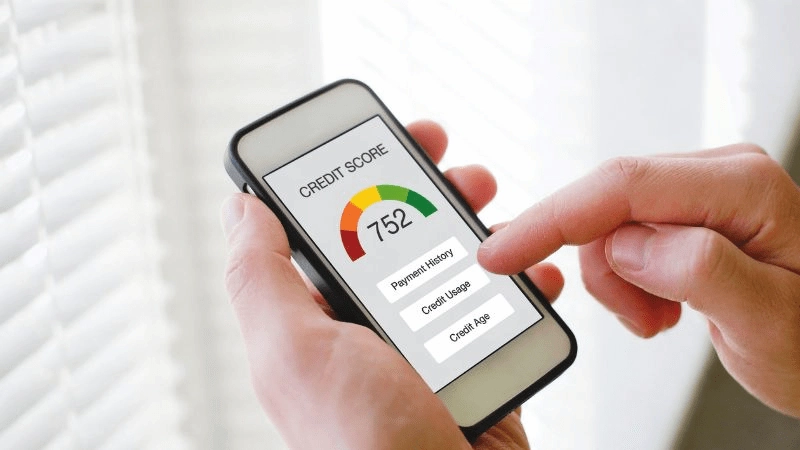
A credit score is more than just a number. It reflects your financial habits and can influence the opportunities available to you. Lenders, landlords, and even some employers check it before making decisions.
A strong credit score can make loans easier to get and cheaper to repay. A low score may limit options and increase costs over time. Understanding your credit score helps you make smarter financial moves.
Keep reading to see how your credit score affects your life and what actions can protect or improve it.
Impact on Home Loans
Your credit score determines the mortgage options available to you. Higher scores often qualify for lower interest rates and better loan terms. Lower scores may require larger down payments or come with higher rates. Lenders view credit history as an indicator of risk.
Even a small change in your score can affect monthly payments. Checking your score before applying can prevent surprises. Timely bill payments and low credit use help maintain a good score. A good score also increases your chances of loan approval. Every point counts when buying a home.
Car Financing Opportunities
A strong credit score can make car loans more affordable. Higher scores often lead to lower interest rates. Lower scores may require co-signers or higher deposits. Lenders use your credit to decide if financing is safe.
Timely payments on past debts show reliability. Even small late payments can affect approval. Maintaining a history of on-time payments improves credibility. A high score also allows more flexibility in choosing lenders. Your score can determine the total cost of a vehicle loan.
Renting an Apartment
Landlords often check credit scores before signing a lease. Higher scores suggest reliability in paying rent. Low scores may require larger security deposits or co-signers. A good score shows responsibility and stability.
Late payments on past bills can lower a score. Checking your score helps identify issues before applying. Improving your score can open better housing options. Credit history is as important as income in rental applications. A strong credit score can make the rental process smoother.
Job Opportunities
Some employers review credit scores during hiring. They see it as a measure of responsibility. Higher scores may create a positive impression. Low scores might raise concerns about reliability. Not all jobs check credit, but financial roles often do.
Regularly monitoring your score helps catch errors. Correcting mistakes can improve chances of employment. Maintaining a good score shows consistency. Credit health can influence your career prospects.
Credit Card Access
Your credit score impacts approval for credit cards. Higher scores increase eligibility for rewards and benefits. Low scores may result in higher interest rates. Lenders use your history to decide risk. Responsible use of credit cards builds positive history.
Late payments or maxed-out cards hurt your score. Paying balances on time keeps interest costs low. Strong credit scores offer more options and perks. A good score allows better financial flexibility.
Loan Interest Rates
Credit scores directly affect interest rates on loans. Higher scores typically receive lower rates. Lower scores mean higher rates and more cost over time. Lenders see credit history as a measure of reliability. Small improvements in scores can reduce monthly payments.
Maintaining low debt levels helps preserve a high score. Late or missed payments increase interest costs. Good scores provide better loan terms. Your credit health saves money in the long run.
Insurance Premiums
Some insurers use credit scores to set premiums. Higher scores may result in lower insurance costs. Lower scores can increase monthly payments. Credit history is viewed as a predictor of risk. Timely bill payments improve your standing.
Missed payments may indicate financial instability. Maintaining a good credit record can reduce costs. Checking your credit helps understand insurance decisions. A strong score can lead to better coverage options.
Starting a Business
Entrepreneurs often rely on credit for startup funding. Higher scores increase chances of securing loans. Low scores may limit access to capital. Lenders check credit to assess repayment risk. Good credit shows financial responsibility to investors.
Monitoring your score identifies potential issues early. Timely debt management strengthens credibility. A strong score improves access to business financing. Credit health impacts long-term business growth.
Emergency Funds and Borrowing
A good credit score provides a safety net during emergencies. It allows access to quick loans at reasonable rates. Low scores may restrict options and raise costs. Lenders see credit history as a sign of reliability.
Maintaining on-time payments builds trust. Small mistakes can affect emergency borrowing ability. Strong credit reduces stress when unexpected costs arise. Checking your score regularly ensures readiness. Good credit supports financial stability in crises.
Managing Existing Debt
Your credit score affects how easily you can manage debt. Higher scores may allow consolidation at lower rates. Lower scores can limit repayment options. Keeping balances low improves scores over time. Late payments reduce credibility with lenders. Tracking your score helps plan debt repayment effectively.
A strong score increases negotiation power. Professionals offering debt relief in Louisiana or any state often advise monitoring credit health. Regularly reviewing your credit ensures informed decisions. Good credit aids in faster debt resolution.
Travel and Major Purchases
Credit scores influence large purchases like vacations or electronics. Higher scores allow financing with lower costs. Low scores may require larger payments upfront. Lenders consider credit history when approving installment plans. Timely payments maintain eligibility for financing options.
Regularly monitoring your score avoids surprises. A strong credit record increases flexibility. Understanding your score ensures better financial planning. Good credit allows more opportunities for major purchases.
Education Financing
Credit scores affect eligibility for private student loans. Higher scores increase chances of approval and lower rates. Low scores may restrict loan options or increase interest costs. Lenders review past credit behavior for risk assessment. Timely bill payments improve eligibility.
Monitoring your credit helps plan for tuition needs. Strong scores provide access to better financial resources. Keeping debts under control supports credit health. Your score can impact the affordability of education.
Your Credit Score Shapes Life’s Biggest Financial Chances
Your credit score affects almost every financial decision in life. From buying a home to managing debt, it determines access and cost. Maintaining a good score saves money and reduces stress. Monitoring your credit regularly helps identify errors early.
Responsible financial habits build long-term stability. Improving your score opens more opportunities for life’s major purchases. Understanding its impact allows smarter planning and better financial outcomes.
Should you wish to read more, you may visit our blog. We’ve got more topics!
