


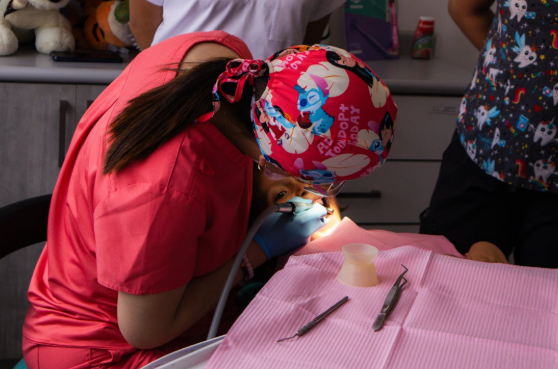
Healthy teeth and gums come from simple habits that fit into daily life. A solid routine usually includes brushing, flossing, thoughtful food choices, and regular evaluations. These steps protect your smile, strengthen long-term comfort, and make dental visits feel less overwhelming.
Many residents in Longmont have become more intentional about these basics because community programs, school initiatives, and local dental offices continue to highlight the value of prevention. This growing interest has created an encouraging environment where practical guidance is easier to access and everyday routines feel more manageable.
Support from Local Dental Professionals
Professional guidance often makes a noticeable difference in how people care for their teeth. Many individuals want to improve their technique but feel unsure about the best approach or the right products to use. Others worry they might be brushing too lightly or flossing too aggressively.
Local dental teams understand these challenges well. Their experience allows them to spot small adjustments that strengthen everyday routines. Personalized demonstrations often help people learn how to angle the brush, how much pressure to use, and how to reach areas that feel difficult. Readers who want steady support and practical advice can consider reaching out to The Dental Team of Longmont. Their team offers clear, patient-focused guidance and welcomes individuals who want to refine their daily habits with reliable, easy-to-follow instruction.
Daily Brushing Practices That Make a Difference
Brushing remains the core of every oral care routine. A thoughtful approach helps protect enamel and keeps buildup under control. Most people benefit from brushing twice a day with gentle, steady movements. Short strokes along the gumline help clear debris without causing discomfort. A soft-bristle brush usually works best because it cleans effectively while staying gentle on the gums.
The type of toothbrush can influence the overall experience. Some prefer a classic manual brush, while others enjoy the consistency of an electric model. Either option works well when used correctly. The goal is to maintain consistency rather than rely on force.
Flossing Habits That Support Gum Health
Flossing clears the tight spaces that brushing often misses. A slow, steady motion helps lift plaque and prevent irritation along the gumline. Many people rush through this step, which makes it less effective. Taking a little extra time creates a safer, more comfortable experience.
The key lies in guiding the floss rather than pulling it sharply. A soft curve around each tooth helps reach hidden areas where buildup settles. Once this becomes part of a daily routine, gum tenderness usually decreases, and overall comfort improves. Confidence grows with repetition, and people often notice fresher breath and healthier gums within a short period.
Smart Food Choices That Protect Your Smile
Food plays a meaningful role in oral health. Some items strengthen enamel, while others create conditions that encourage decay. A balanced diet supports healthier teeth because it gives the mouth the minerals and nutrients it needs. Crunchy vegetables, dairy, leafy greens, lean proteins, and water-rich fruits help protect enamel and keep you feeling refreshed throughout the day.
These choices support energy, immunity, and oral comfort at the same time. Small adjustments, such as choosing yogurt over sticky sweets or adding more vegetables to meals, can make a noticeable difference in long-term dental health.
Hydration Habits That Strengthen Oral Hygiene
Water supports a clean, balanced mouth. Each sip helps wash away leftover particles and maintains a comfortable environment for your gums. Choosing water throughout the day keeps you hydrated and reduces contact with acids that weaken enamel. People who drink water regularly often experience fewer dry-mouth episodes and less sensitivity.
This shift supports the community’s broader interest in preventive care and aligns with simple habits that protect your smile every day.
Modern Tools That Improve At-Home Dental Care
At-home care becomes easier when you use tools that suit your needs. Many people enjoy electric toothbrushes because the consistent motion helps them clean thoroughly without much effort. Others appreciate water flossers because they gently reach around tight spaces or braces, creating a comfortable alternative to string floss.
Fluoride rinses also support enamel strength, especially for individuals who experience frequent sensitivity or dry-mouth episodes. These tools work best when paired with a solid routine rather than used as replacements for brushing or flossing. Each one simply adds an extra layer of support that helps protect your smile. The key is choosing options that feel comfortable and easy to maintain so they become a natural part of your day.
Daily dental care becomes more effective when the routine feels simple and achievable. Brushing, flossing, thoughtful food choices, and steady hydration work together to support healthier teeth and gums.
Professional insight enhances these habits by offering clarity and reassurance whenever questions arise. Modern tools add convenience and help make the process more enjoyable, while early education shapes the habits children carry forward throughout their lives.
